Darwin’s Paradox Review: Brilliant Cephalopods, Frustrating Loops
Darwin’s Paradox Review: Is This Pixar-Style Underwater Adventure the Best Indie Game of 2026?
Looking for the next indie hit? Our Darwin’s Paradox review dives deep into ZDT Studio’s stunning 2026 puzzle-platformer. Discover why this "sea cat" adventure on PS5, Switch 2, and PC is winning hearts despite its brutal trial-and-error puzzles.
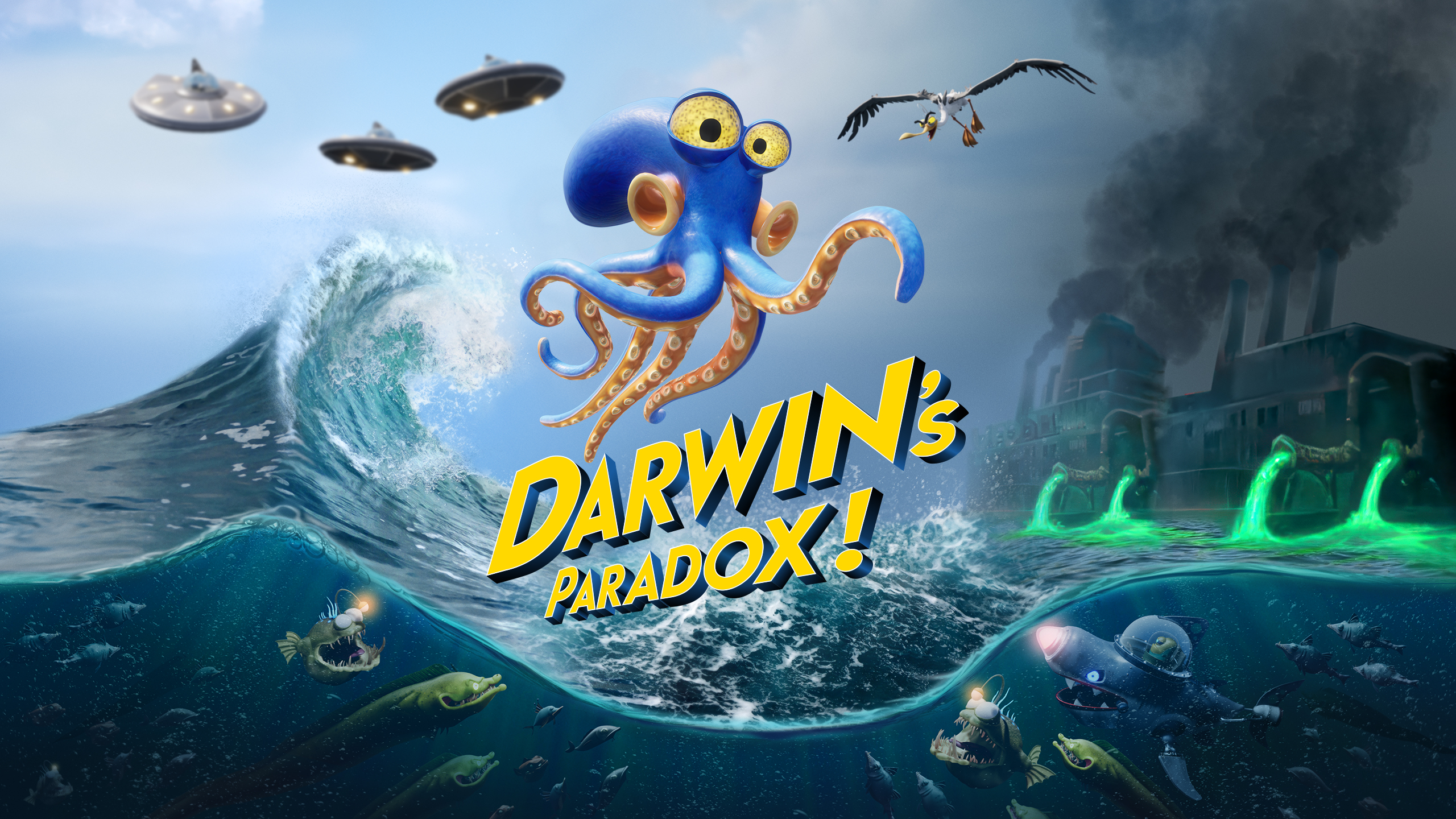
The gaming landscape of 2026 has been dominated by hyper-realistic shooters and massive open-world RPGs, but every so often, a title emerges that captures the pure, unadulterated magic of childhood wonder. Darwin’s Paradox, developed by the visionary team at ZDT Studio, is exactly that. It is a side-scrolling puzzle-platformer that feels less like a video game and more like a lost Pixar masterpiece—if Pixar decided to make a game about a blue octopus escaping a dystopian seafood conglomerate.
After spending nearly six hours navigating its vibrant coral reefs and sterile industrial corridors, I’ve found that Darwin’s Paradox is a game of immense beauty and occasional, teeth-gritting frustration. It is a journey of survival that highlights the intelligence of cephalopods while testing the patience of even the most seasoned platformer fans.
A Story of Survival: Darwin’s Great Escape
The narrative of Darwin’s Paradox is deceptively simple but emotionally resonant. You play as Darwin, a charming blue octopus living a tranquil life in the ocean. This peace is shattered when the UFOOD Corporation—a global seafood giant with a sinister edge—snatches Darwin and his companion. While his friend is whisked away into the heart of the processing plant, Darwin is deemed a "quality check failure" and dumped into a sprawling industrial landfill.
What follows is a classic "return to home" odyssey. However, ZDT Studio elevates this premise through its presentation. The game opens with a stunning cinematic stylized as a 1950s-era nature documentary. This educational flair transitions seamlessly into high-fidelity animation that rivals major film studios. You aren't just playing a game; you’re experiencing a narrative about the clash between nature’s brilliance and corporate greed.
Environmental Storytelling at Its Peak
As you guide Darwin through levels with evocative names like "Into the Abyss" and "Things Are Heating Up," the world building is handled with a delicate touch. Scattered throughout the UFOOD facilities are "artifacts"—discarded newspapers, internal memos, and environmental cues—that paint a picture of a world obsessed with efficiency at the cost of the ecosystem. It is an educational experience that never feels like a lecture, grounding Darwin's abilities in real-world octopus biology.
The Mechanics of a "Sea Cat"
One of the most impressive feats of Darwin’s Paradox is how it translates octopus anatomy into gameplay. ZDT Studio leans into the idea of octopuses as "sea cats." Because they lack a rigid skeleton, Darwin can squeeze through pipes and crevices that would be impossible for any other protagonist. This leads to some of the most satisfying "Aha!" moments in the game, as you realize a tiny drainage pipe is actually your ticket to the next area.
Mastering Cephalopod Abilities
- Ink Distraction: Used to blind patrolling guards or obscure vision during high-speed chases.
- Active Camouflage: A vital tool for the game's many stealth sections, allowing Darwin to blend into the background—provided you remain still.
- Tactile Movement: Darwin’s tentacles allow for multi-directional climbing, making verticality a core part of the puzzle-solving experience.
However, the game suffers from a strange narrative-gameplay disconnect. Early on, Darwin uses his ink and camouflage intuitively, only to "forget" these skills during the middle act for no apparent reason. While they eventually return, this artificial gating of abilities feels like a missed opportunity for more complex level design earlier in the journey.
The Challenge: Trial-and-Error Frustration
This is where Darwin’s Paradox becomes a "paradox" itself. For a game that presents as a "chill" animated adventure, it features some of the most punishing trial-and-error sequences seen in the genre this year.
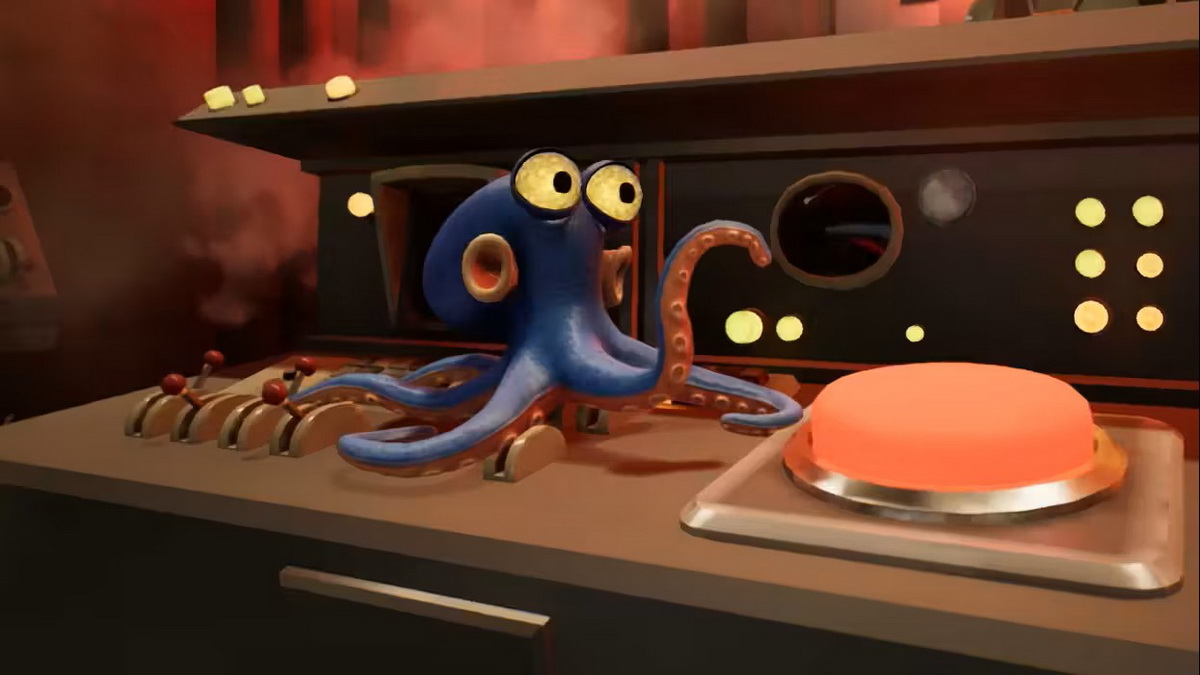
The puzzles often require a specific sequence of movements that aren't always clear from the outset. You will die. You will die a lot. Whether it’s miscalculating a jump through rotating cogs or being spotted by a guard whose vision cone was slightly wider than it appeared, the game relies heavily on memorization over raw skill.
The Infamous Anglerfish Chase
Nothing exemplifies the game's difficulty spikes better than the Anglerfish Chase. Much like the legendary sandworm chase in Ori and the Will of the Wisps, this sequence demands perfection. One wrong turn or a microsecond of hesitation results in a total reset. For a game priced at $24.99 and marketed as a family-friendly title, these "frustration spikes" might alienate younger players or those looking for a relaxing evening.
"While the checkpoints are generous, the repetitive nature of the stealth and chase sequences can turn a beautiful experience into a chore. You don't feel clever for beating a puzzle; you feel relieved that it's over."
Visuals and Performance on Next-Gen Hardware
Available on the Nintendo Switch 2, PlayStation 5, and PC, Darwin’s Paradox is a technical showcase for ZDT Studio's proprietary engine. On the PS5 and PC, the ray-traced water reflections and bioluminescent lighting in the deep-sea levels are breathtaking. The contrast between the vibrant, living reefs and the cold, metallic UFOOD offices creates a visual tension that perfectly mirrors the story.
The sound design also deserves a special mention. The industrial levels are filled with the heavy thuds of machinery and the hiss of steam, creating a sense of being inside a "living" factory. Conversely, the underwater segments utilize a soft, ambient score that highlights the tranquility Darwin is fighting to reclaim.
Is Darwin’s Paradox Worth It?
Despite the clunky camera and the "die-to-learn" puzzle philosophy, Darwin’s Paradox is a game with a massive heart. It is a unique premise executed with world-class artistic flair. If you can stomach the occasional difficulty spike and the wonky controls, you will find a story that stays with you long after the 6-hour runtime is over.
The Good:
- Visual Masterpiece: Genuinely Pixar-quality graphics that push 2026 hardware.
- Charming Protagonist: Darwin is one of the most likable indie characters in years.
- Educational Edge: Respects the biology of octopuses, making the gameplay feel grounded.
- Price Point: At $24.99, it offers a high-value cinematic experience.
The Bad:
- Trial-and-Error: Puzzles can feel like a game of 'guess what the developer was thinking.'
- Inconsistent Pacing: Sudden difficulty spikes break the "chill" vibe.
- Camera Issues: The camera can occasionally struggle to keep up with Darwin's agile movements.
Final Verdict: 7.5/10 - A Beautiful, If Bumpy, Ride
Darwin’s Paradox is a must-play for fans of Stray or Little Nightmares. It’s a gorgeous, atmospheric journey that proves indie studios can compete with the giants in terms of presentation. Just be prepared to fail a few times before you reach the ocean.