ASSASSIN’S CREED: SHADOWS – A STRIKING DUALITY OF STEALTH AND SPECTACLE
Assassin's Creed: Shadows Review: A Technical Marvel with a Fractured Soul
There are few franchises in the gaming industry as polarizing—and yet as consistently addictive—as Assassin’s Creed. As a self-confessed superfan who has logged hundreds of hours into entries ranging from the beloved Origins to the critically maligned Valhalla, I approached Assassin’s Creed: Shadows with both profound excitement and a heavy dose of skepticism. After spending over 60 hours in Feudal Japan, I can confirm that this is a game of fascinating contradictions. It is, without a hint of hyperbole, the most visually stunning entry in the series' history, yet it remains tethered to the same systemic flaws that have plagued Ubisoft's open-world formula for nearly a decade.
A Narrative of Highs and Lows
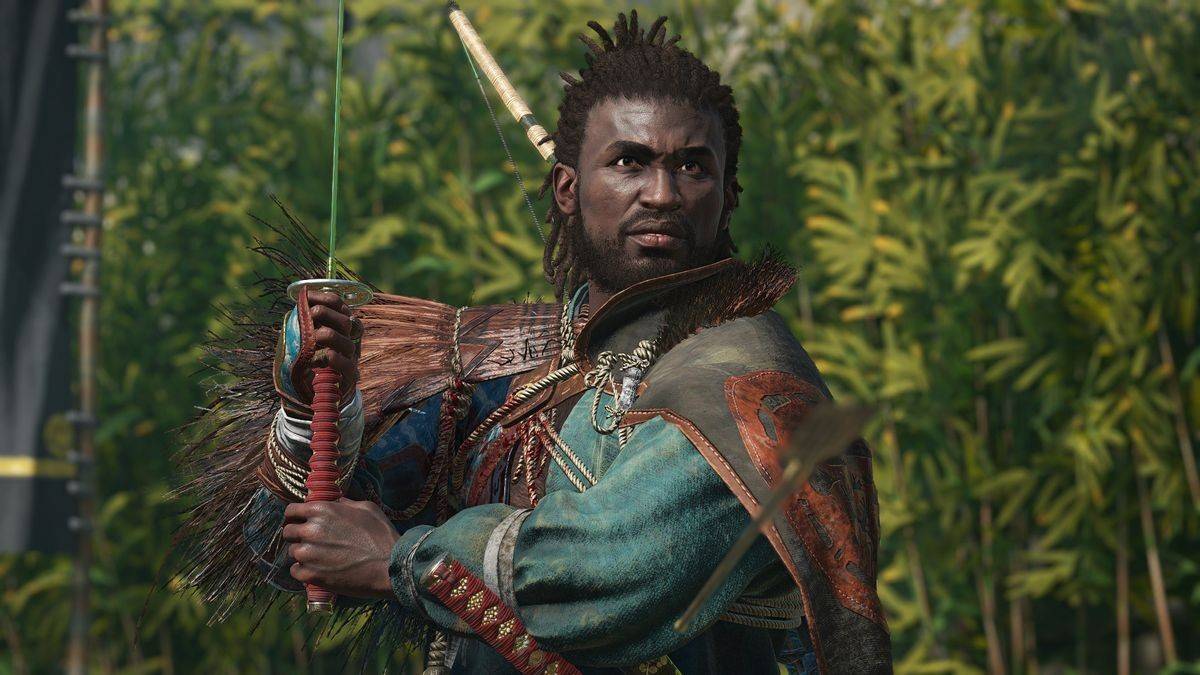
The story of Assassin's Creed: Shadows is a paradoxical beast. On paper, it is genuinely solid—a sweeping tale of vengeance, political upheaval, and historical drama. We follow two protagonists: Naoe, a shinobi seeking to avenge her father’s death at the hands of Oda Nobunaga’s forces, and Yasuke, a real-life historical figure reimagined as a brutal samurai in service to the same warlord. Their paths interconnect in a world of profound injustice, serving as a lens into the shadowy origins of the Assassin order in Japan.
However, the narrative delivery is a chaotic jumble. Ubisoft has adopted a "choose-your-own-adventure" style for story tracking, where you engage with fragmented investigations and targets via a menu-based system. In the more compact Assassin's Creed: Mirage, this worked flawlessly. In the massive, sprawling world of Shadows, it causes you to lose the thread entirely. You will frequently encounter NPCs who treat you like an old friend, despite you never having met them, simply because their questline triggered in your exploration menu. The game assumes a level of familiarity that the messy quest structure makes impossible to maintain, leading to a narrative experience that feels like a collection of disjointed high-quality scenes rather than a coherent journey.
On the bright side, the presentation of these moments has improved drastically. By moving away from real-time in-engine cutscenes to high-quality pre-rendered video, character animations are finally smooth, expressive, and properly synced. Combined with world-class voice acting—Naoe’s gentle, determined delivery and Yasuke’s calm, authoritative presence—the character work is top-tier, even if the delivery system is fundamentally flawed.
Gameplay: The Best Combat in the Series
If the story is a step back, the gameplay—particularly the combat—is a massive leap forward. Shadows marks the series' return to the RPG-lite formula, but it streamlines the excesses of Valhalla in favor of a more responsive, skill-based system. It is, quite simply, the best combat the series has ever produced.
The experience is divided between the two protagonists, each offering a distinct playstyle:
- Yasuke (The Samurai): A powerhouse of brute force. Yasuke is designed for open combat against large groups, utilizing heavy strikes and staggering attacks to dominate the battlefield.
- Naoe (The Shinobi): A master of agility and stealth. Her movement over rooftops and through shadows is peerless, making her the go-to for players who want to avoid confrontation in favor of clean, double-assassination streaks.
The stealth mechanics, in particular, are a triumph. Ubisoft has finally realized the potential of the shinobi fantasy. Sneaking through dense bamboo forests or clinging to the rafters of an Imperial castle feels genuinely empowering. However, the game does fall into the classic "Ubisoft trap" regarding world activities. While the map is not cluttered with an infinite number of icons, the gameplay loop for clearing out castles and enemy camps eventually becomes repetitive: locate the target, eliminate the samurai, loot the special chest, mark as complete. It is a step in the right direction, but the "looter" style gear system undermines the exploration; you are constantly swapping weapons for a +2 stat increase, making the gear you find feel disposable rather than legendary.
An Audiovisual "AAAA" Masterpiece
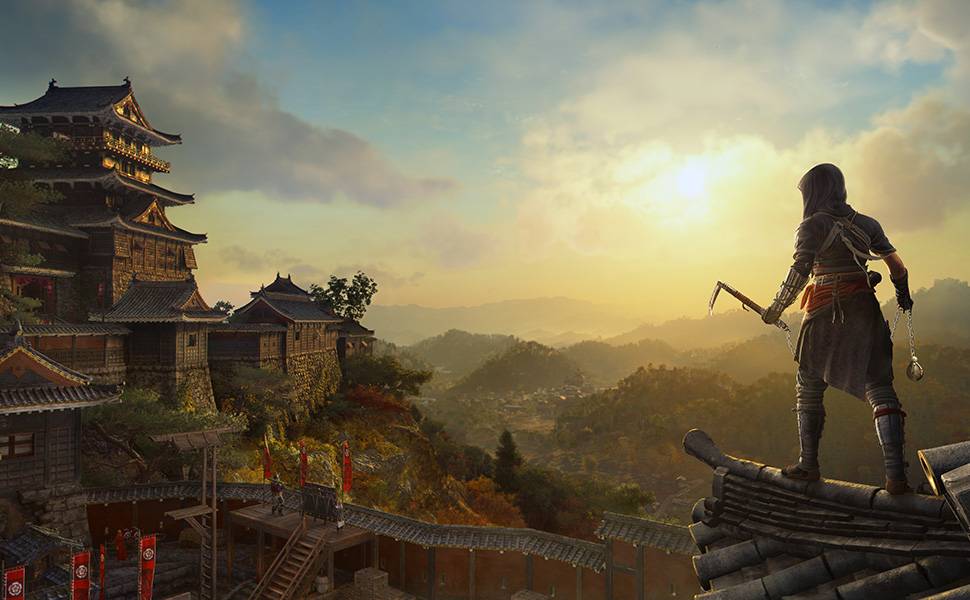
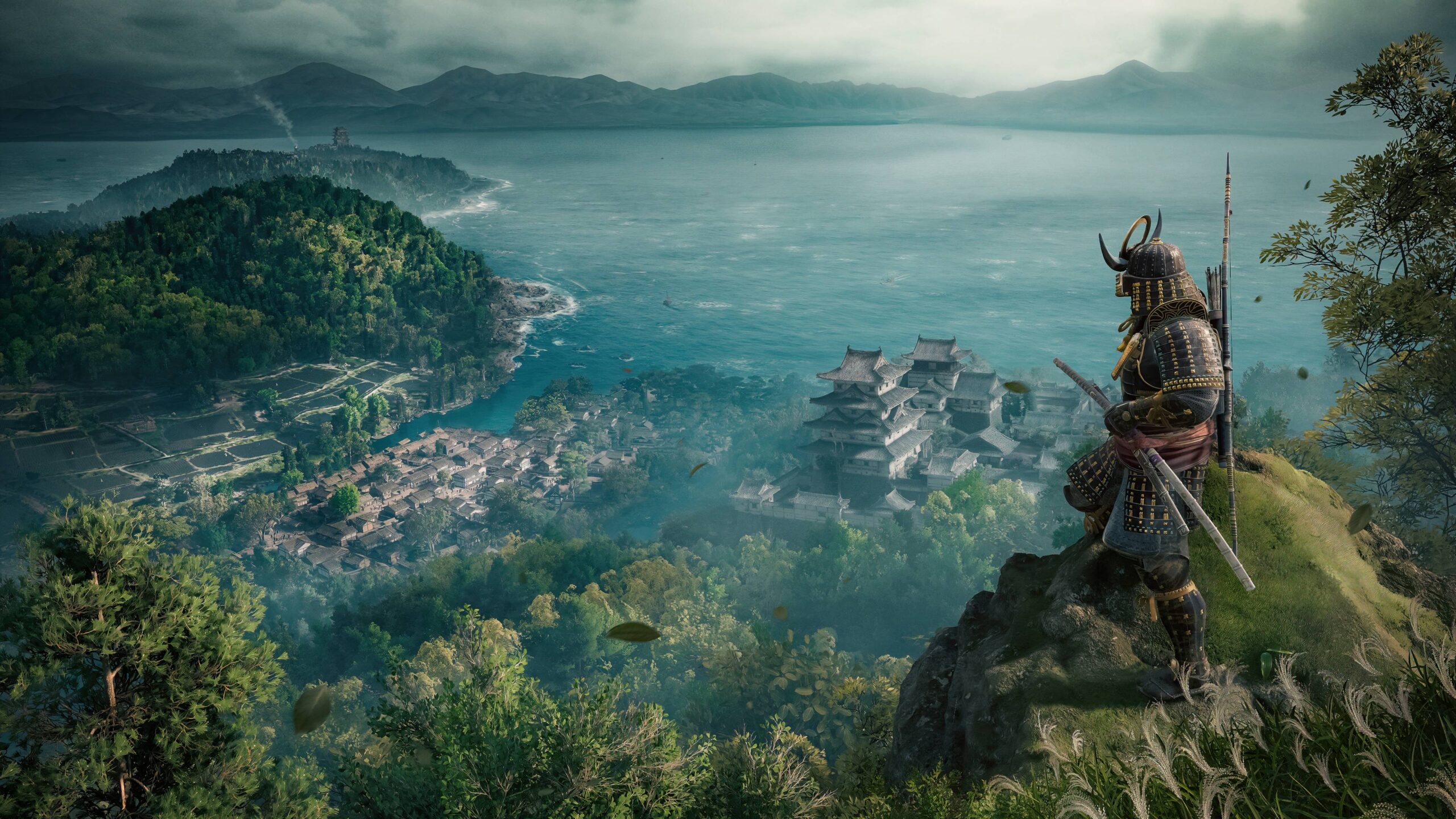
If we were judging Assassin's Creed: Shadows solely on its visuals, it would be an easy 10/10. This is, without question, one of the most beautiful video games ever created. Japan’s Feudal setting is realized with a level of detail that borders on the obsessive.
The seasonal system is the true star. Watching the world shift from the delicate, falling petals of spring to the stark, frozen beauty of winter fundamentally changes how you interact with the environment. Frozen ponds allow you to slide across surfaces, while autumn leaves create atmospheric, wind-swept vistas that feel plucked from a Kurosawa film. The level of detail is staggering—from the way characters take off their shoes before entering a temple to the way rainwater realistically cascades off rooftops after a storm. It is a visual symphony that never stops delivering.
On the technical front, the optimization is surprising. The PC version, tested on a Ryzen 9 5900X and RTX 3080 Ti, remained buttery smooth, consistently hitting 60+ FPS at max settings. Even on PlayStation 5, the "Performance Mode" provides a consistent and reliable experience, proving that Ubisoft has finally conquered the performance issues that plagued previous launches.
| Category | Verdict |
|---|---|
| Visual Presentation | A technical masterpiece; potentially the best-looking game ever made. |
| Combat System | Excellent; the best, most refined combat in the entire series. |
| Narrative Delivery | Fragmented and chaotic; a major step back from Origins/ACII. |
| Loot System | Superfluous; constant gear-swapping kills the sense of progression. |
Final Verdict: A Franchise Still Searching for Its Soul
Assassin's Creed: Shadows is the ultimate "AAA" experience—in all the best and worst ways. It offers a level of polish, visual fidelity, and mechanical refinement that most studios could only dream of. Yet, it remains haunted by the "Ubisoft formula." It tries to be a loot-based RPG, a stealth-action game, and a historical simulator all at once, and in doing so, it fails to master any of them completely.
If you love the series, you will find hours of enjoyment here. The combat is genuinely fun, and the recreation of Japan is a sight to behold. But it’s hard not to look at Shadows and wonder what could have been. If Ubisoft had the courage to trim the fat—remove the disposable loot, tighten the narrative, and focus on the core shinobi experience—this would have been the greatest game they’ve ever made. As it stands, it is a technical marvel that still feels like it’s searching for its own identity.
Final Score: 7.5 / 10