BROKEN LORE: DON’T WATCH – A BREATHLESS DESCENT INTO PSYCHOLOGICAL TERROR
Broken Lore: Don’t Watch Review: A Masterclass in Psychological Terror
The definition of "true horror" has evolved significantly since the dawn of the survival-horror genre. As graphical fidelity has reached near-photorealistic heights, the intimacy of the first-person perspective has become the gold standard for immersion. When you can’t see what’s behind you, and every creak of the floorboards feels like it's happening in your own room, that is when the fear truly sets in. Broken Lore: Don't Watch, the latest psychological horror title from Serafini Productions, understands this perfectly. While it may lack the massive budget of a Resident Evil or Silent Hill, it delivers an experience that is just as intimidating, if not significantly more haunting.
Released on April 25, 2025, for PC, this indie gem is a testament to the idea that a high-quality horror story doesn't need twenty hours of filler to leave a lasting impact. At a price point of just $8.99, it offers a bite-sized, terrifying journey that punches well above its weight class.
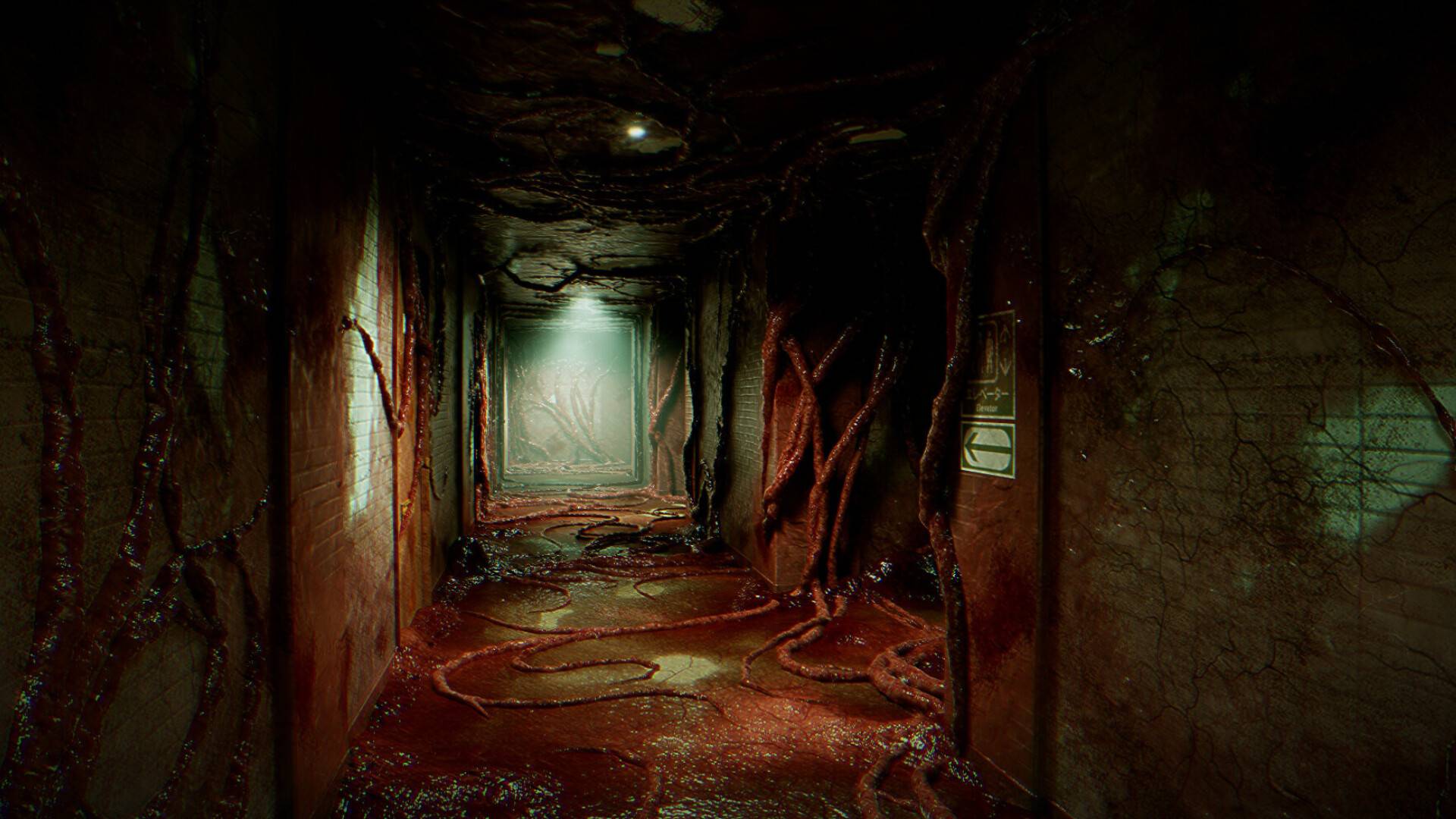
The Narrative: A Descent into Isolation
Broken Lore: Don't Watch follows the story of Shinji, a hikikomori—an extreme shut-in living in a cramped, cluttered apartment in the heart of a bustling Japanese metropolis. Shinji’s life is a repetitive loop of gaming, ordering pizza, watching television, and sleeping. He has not stepped outside in years, depending entirely on financial support from his parents, who look on with growing disappointment compared to his "successful," traditionally employed brother.
The psychological tension begins with a phone call. An old friend calls to warn Shinji that another mutual acquaintance—someone who lived a similarly reclusive life—is in trouble. He claims to be seeing "strange things" in his apartment. Shinji dismisses the warning as paranoia, only to wake up the next morning to news reports: his friend has been found brutally decapitated, with the head nowhere to be found. Soon after, the phenomena begin to manifest in Shinji’s own home. The boundaries of reality start to warp, and Shinji is forced into a desperate fight for survival, trying to understand what is hunting him before he meets the same fate.
The brilliance of the story lies in its ambiguity. Is Shinji truly being hunted by a supernatural force, or is this the manifestation of a mind breaking under the weight of social isolation? The game explores themes of parental pressure, the dangers of the hikikomori lifestyle, and the crumbling sanity of the human psyche. It is a deep, layered narrative that leaves the player questioning what they saw long after the credits roll.
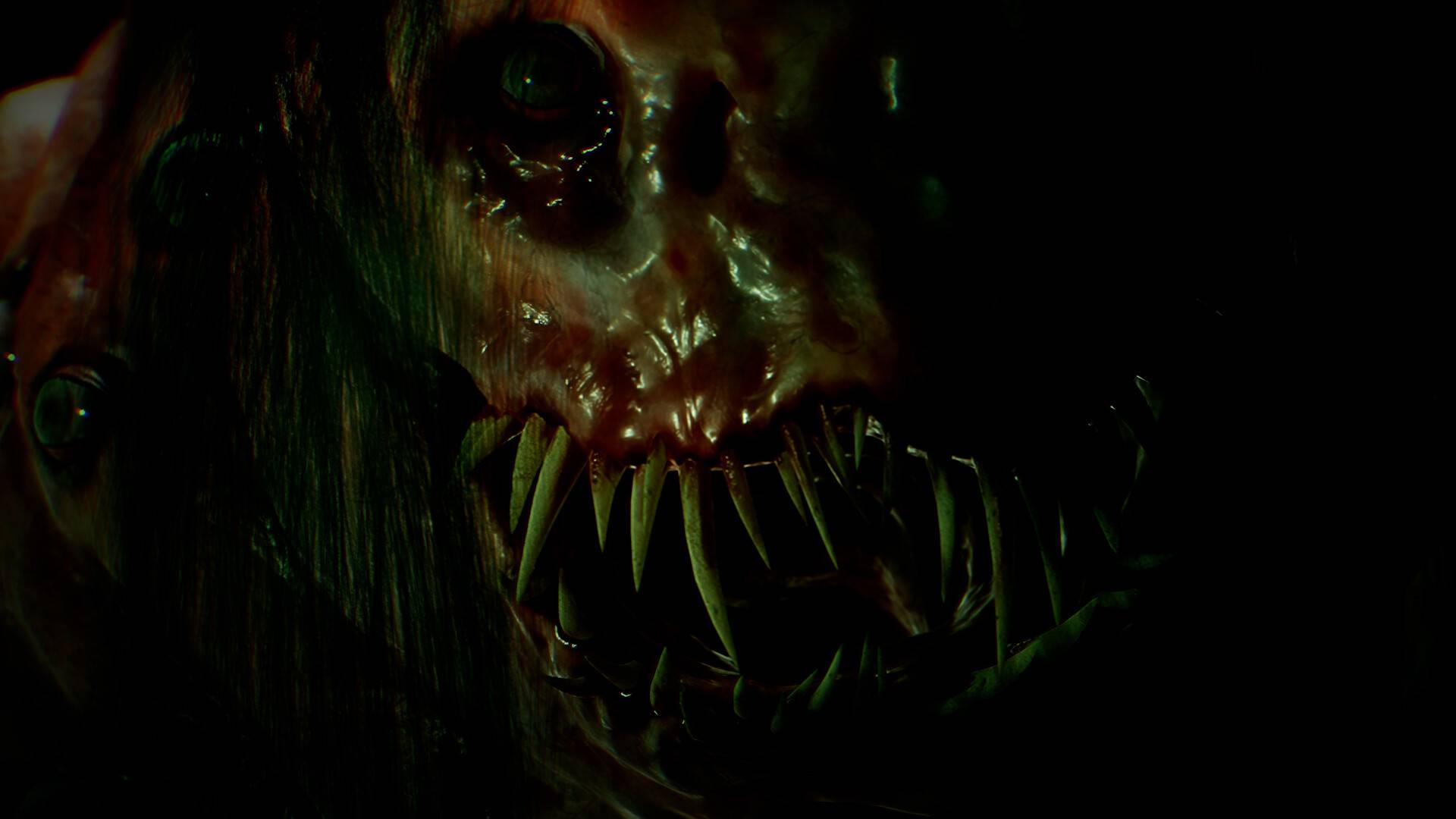
Gameplay: Minimalism as a Tool for Fear
If you are looking for sophisticated skill trees, weapon inventories, or complex RPG mechanics, you will not find them here. Broken Lore: Don't Watch thrives on a minimalist design philosophy. You are given only what you need, exactly when you need it. If the game hands you a knife, it is because you are about to encounter something that requires one; once that situation resolves, the tool disappears.
This design choice creates a constant, suffocating sense of vulnerability. You are never an empowered hero; you are a victim trying to survive. Much of the gameplay consists of first-person exploration, where your only options are to run or hide. The game masterfully builds tension through anticipation. There are very few "cheap" jump scares here. Instead, the horror is derived from anxiety—the constant feeling that something is just outside your peripheral vision, waiting for you to slip up.
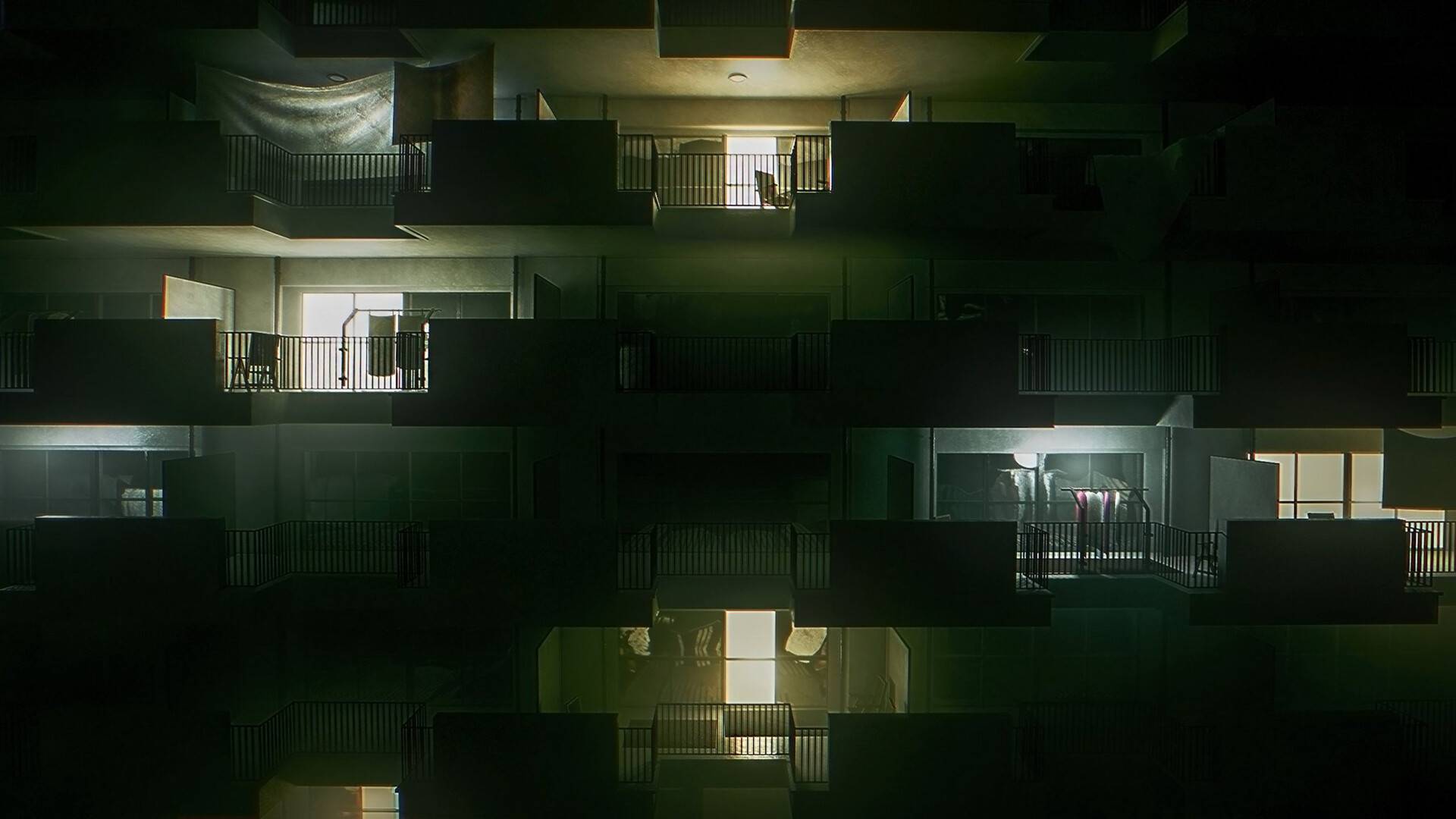
Presentation: A Visual and Auditory Paradox
Broken Lore uses Unreal Engine to deliver a solid visual package. While the developers did not aim for cutting-edge AAA photorealism, the interior of the apartment is rendered with a disgusting amount of detail—from the piles of laundry to the flickering, dying lights. It feels like a real, claustrophobic space.
The "Pixelization" Trick
One of the most clever technical tricks in the game occurs when Shinji leaves his apartment. As he exits his safe haven to explore more dangerous environments, the visuals shift into a low-fidelity, pixelated aesthetic reminiscent of 1990s survival horror. This is a brilliant solution to budget constraints; by "pixelating" the exterior world, the developers avoid the need to render vast, high-fidelity areas while simultaneously increasing the uncanny, surreal atmosphere of the game.
Sound Design: The True MVP
If the visuals set the scene, the sound design is what truly seals the deal. The game features an original Japanese voiceover track that is, frankly, world-class. The voice acting is visceral, terrified, and authentic, grounding the supernatural elements in raw human emotion. Coupled with a haunting musical score that relies on dissonant, anxiety-inducing ambient tones, the audio presentation is the second-best thing about this indie gem. It is highly recommended that you play with headphones, as the directional audio is essential for identifying the threats lurking in the dark.
| Feature | Verdict |
|---|---|
| Psychological Tension | High; relies on anticipation over cheap scares. |
| Audio/Voice Acting | Perfect; original Japanese VO is chilling. |
| Visual Style | Decent Unreal Engine visuals with a unique pixelated twist. |
| Value for Money | Excellent ($8.99); perfect length for a "horror movie" session. |
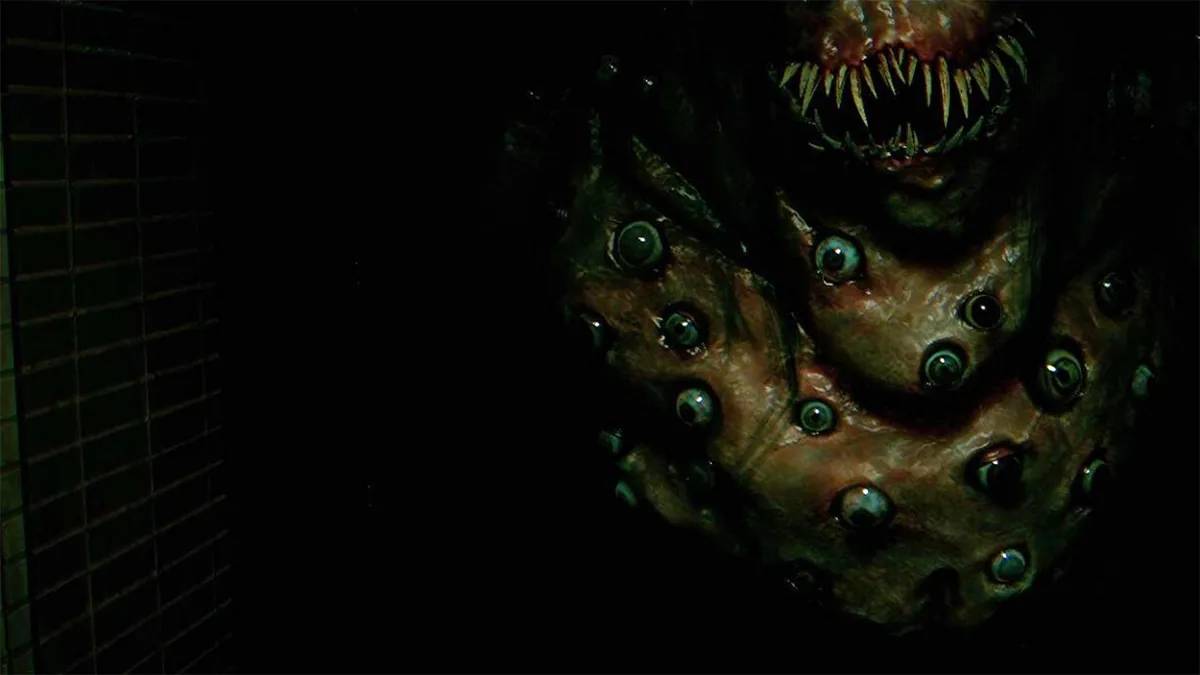
Final Verdict: A Short but Essential Horror Experience
Creating a short game that manages to feel significant is no small task. Broken Lore: Don't Watch succeeds because it understands its own limitations. It doesn't attempt to pad its runtime with repetitive combat or fluff; instead, it offers a tightly directed, ninety-minute descent into madness.
At the price of a standard movie ticket, this title provides more genuine terror and narrative intrigue than many full-priced "AAA" horror titles. If you are a fan of psychological horror that respects your time and isn't afraid to get weird, this is a must-play. Just be prepared to leave the lights on when you go to bed after the credits roll.
Final Score: 8.5 / 10