Directive 8020 Review: High Stakes, Deep Space, Total Dread
Directive 8020 Review: Is Supermassive Games' Sci-Fi Horror the Scariest Game of 2026?
Read our definitive Directive 8020 review. Discover if Supermassive Games’ leap into deep space horror on PS5, PC, and Xbox delivers the terror promised. From brutal branching choices to stunning 2026 visuals, we break down why this is a must-play for horror fans.
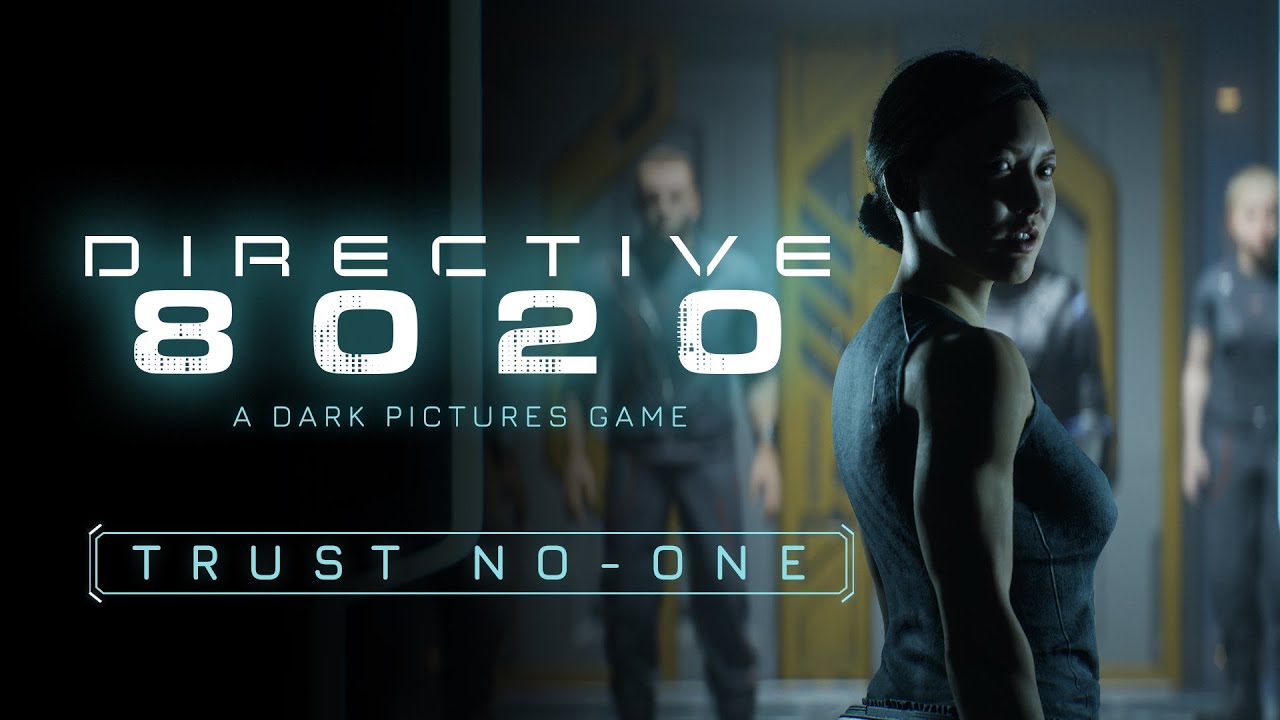
The year 2026 has already been a landmark year for the horror genre, but few titles have carried as much weight on their shoulders as Directive 8020. As the premier entry in the second season of The Dark Pictures Anthology, Supermassive Games has traded the damp forests and haunted houses of Earth for the cold, claustrophobic corridors of the Cassiopeia. After spending 10 hours lost in its terrifying embrace, one thing is clear: Supermassive hasn't just moved into space; they’ve conquered it.
The Evolution of Interactive Horror: Beyond the Jump Scare
Supermassive Games has carved out a unique niche in the industry. They don’t focus on complex twitch-reflex combat or open-world bloat. Instead, they specialize in cinematic, character-driven horror where the player’s morality is the primary mechanic. Directive 8020 takes the foundation laid by Until Dawn and The Quarry and applies a futuristic veneer that feels both fresh and hauntingly familiar.
Set aboard a colony ship bound for the Tau Ceti f system, the game places you in charge of a crew searching for a new home for humanity. But as any fan of sci-fi horror knows, when humanity reaches for the stars, something usually reaches back. The result is an experience that balances high-stakes drama with the primal fear of the unknown.
A Story Written in the Stars (and Blood)
The narrative arc of Directive 8020 is, without hyperbole, a masterpiece of pacing. The game begins with a deceptive sense of calm. The crew of the Cassiopeia is in cryosleep, dreaming of a new life on a distant planet, until a catastrophic meteorite strike wakes the "Sleep Management Crew," Simms and Carter.
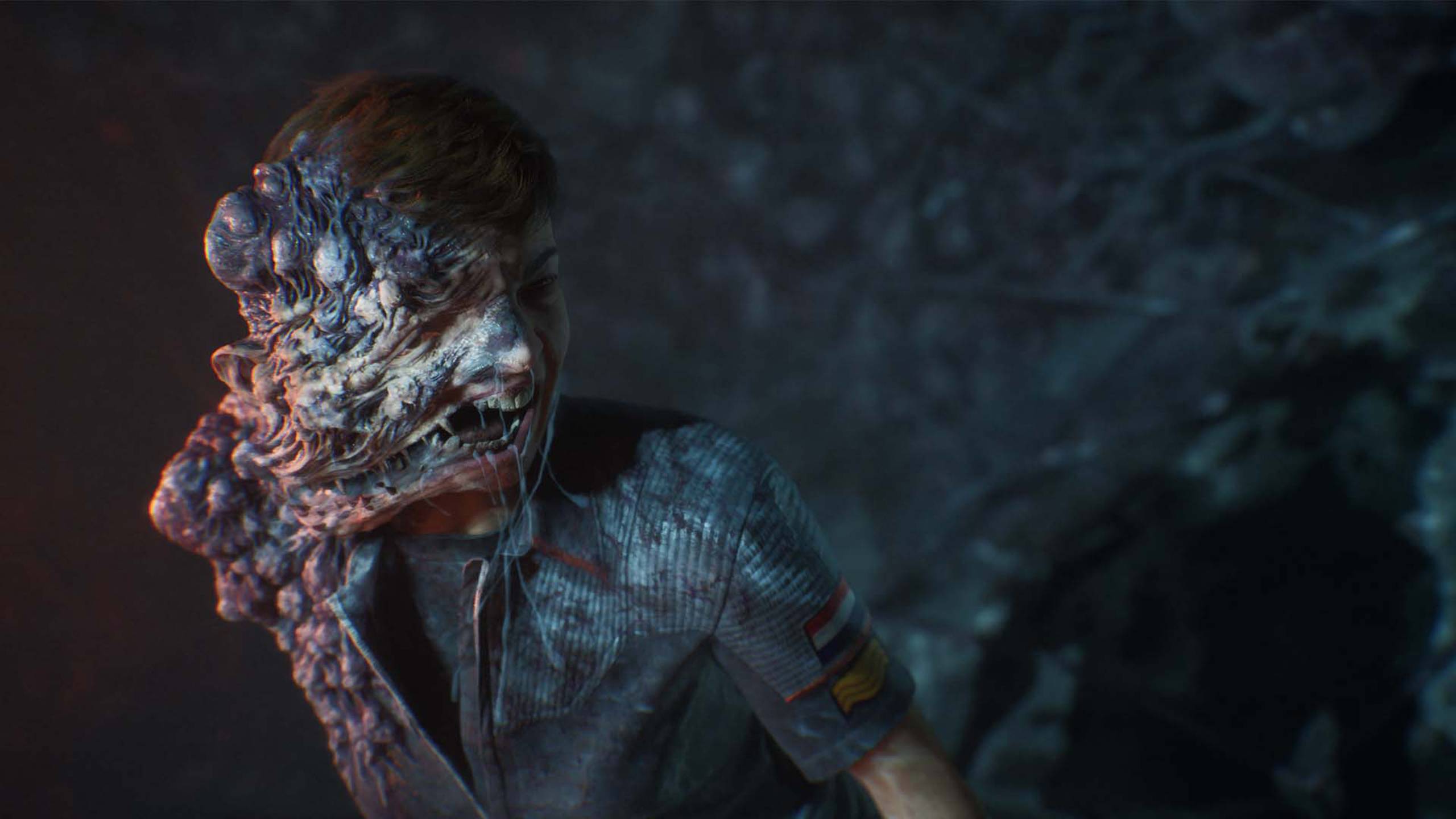
What follows is a descent into madness. The meteorite wasn't just a hunk of rock; it brought an alien organism capable of mimicry and biological takeover. Unlike previous entries that relied on supernatural ghosts or legends, Directive 8020 leans into body horror and psychological tension. The alien presence doesn't just want to kill you—it wants to replace you.
"The weight of branching paths in Directive 8020 is felt in every conversation. This isn't just about who lives; it's about what kind of person survives."
Meaningful Branching: Your Choices Matter
The "Butterfly Effect" system has been refined here to its sharpest edge. In many interactive dramas, choices feel like illusions. In Directive 8020, a seemingly minor dialogue choice in Episode 2 can lead to a gruesome death in Episode 7. The game tracks relationship statuses and personality traits meticulously. If you treat a crewmate with disdain, don't expect them to pull you up from a ledge when the ship is venting oxygen.
For players seeking a "pure" experience, the Hard Mode is the definitive way to play. It removes the "Rewind" mechanic, forcing you to live with the consequences of your mistakes. If you fail a QTE and your favorite character gets their skull crushed, that's it. The story continues without them, and the ending shifts accordingly.
Gameplay Mechanics: The Good, The Bad, and The Stealthy
While the story is the star, the gameplay has seen some significant shifts. Supermassive has introduced more active exploration and cat-and-mouse stealth sequences.
The Stealth Struggle
For the first time, you aren't just watching a movie; you are navigating dangerous environments where sound and sight dictate survival. You are equipped with a hacking tool that serves as your Swiss Army knife for bypassing doors and distracting enemies. However, this is where the game hits its only real speed bump. While the initial encounters with the alien presence are nerve-wracking, the repetitive nature of the lure-and-evade mechanics can occasionally dull the tension. By the midpoint of the game, these sequences feel more like puzzles than life-or-death struggles.
QTEs and High-Stakes Action
The Quick Time Events (QTEs) remain a staple, but in 2026, they feel more integrated into the cinematography. Failing a button press doesn't just result in a "Game Over" screen; it triggers a unique cinematic failure that flows seamlessly into the next scene. It keeps the player’s hands on the controller even during the longest cutscenes.
A Visual and Auditory Powerhouse
Developed for the latest hardware, Directive 8020 is a visual marvel. The PlayStation 5 version offers three distinct modes:
- Performance Mode: Locked 60 FPS with scaled resolution—ideal for the twitchy QTEs.
- Fidelity Mode: Native 4K with Ray Tracing, though the 30 FPS cap can feel sluggish in a game this dark.
- Balanced Mode: The "sweet spot" for 120Hz displays, fluctuating between 40 and 60 FPS while maintaining stunning detail.
The character models, utilizing high-fidelity motion capture of Hollywood actors, are breathtakingly lifelike. You can see the beads of sweat on Simms' forehead and the terror in Carter's eyes. While there is still the occasional "uncanny valley" moment with stiff walking animations, the facial acting is industry-leading.
The Sound of Silence
If there is one reason to play Directive 8020 with a high-end headset, it is the sound design. The vacuum of space is used as a thematic tool. The contrast between the cacophony of a failing engine room and the absolute, terrifying silence of a spacewalk is jarring. The voice acting is top-tier, delivering lines that feel grounded rather than the "screamy" tropes often found in B-movie horror.
Furthermore, the eight-episode structure is brilliant. Each chapter opens with a curated licensed track that sets the mood, ranging from haunting synth-wave to melancholic classical pieces. It gives the game the feel of a prestige HBO miniseries.
The Verdict: A New Gold Standard for Sci-Fi Horror
Directive 8020 is not perfect—its stealth could use more variety and its collectibles are a bit too easy to find—but its strengths far outweigh its flaws. It is a game that understands that horror isn't just about what's in the shadows; it's about the fear of what we might become when we're pushed to the limit.
Supermassive Games has delivered a 10-hour odyssey that demands multiple playthroughs. Whether you are a veteran of The Dark Pictures or a newcomer looking for the next great sci-fi thriller, Directive 8020 is an essential experience for 2026.
Pros:
- Incredible Narrative Depth: Multiple endings that actually feel earned.
- Atmospheric Masterclass: The Cassiopeia is one of the most well-designed settings in modern gaming.
- Stellar Audio: Sound design and music that define the "space horror" aesthetic.
- Hard Mode Stakes: The removal of the rewind feature makes every choice terrifying.
Cons:
- Repetitive Stealth: The "hide and distract" loop loses its luster by the third act.
- Animation Hiccups: Stiff character movement can occasionally break the immersion.
- Simple Exploration: Finding collectibles feels more like a checklist than a discovery.
Final Score: 8/10 - "Great"
Directive 8020 is a triumph of interactive storytelling. It proves that space is still the most terrifying frontier, and Supermassive Games are the only ones who know how to navigate it.
Directive 8020 is available now on PC, PlayStation 5, and Xbox Series X|S for $49.99.