Peak’s “The Mesa” Update Launches with a Game-Breaking Invisible Wall Bug
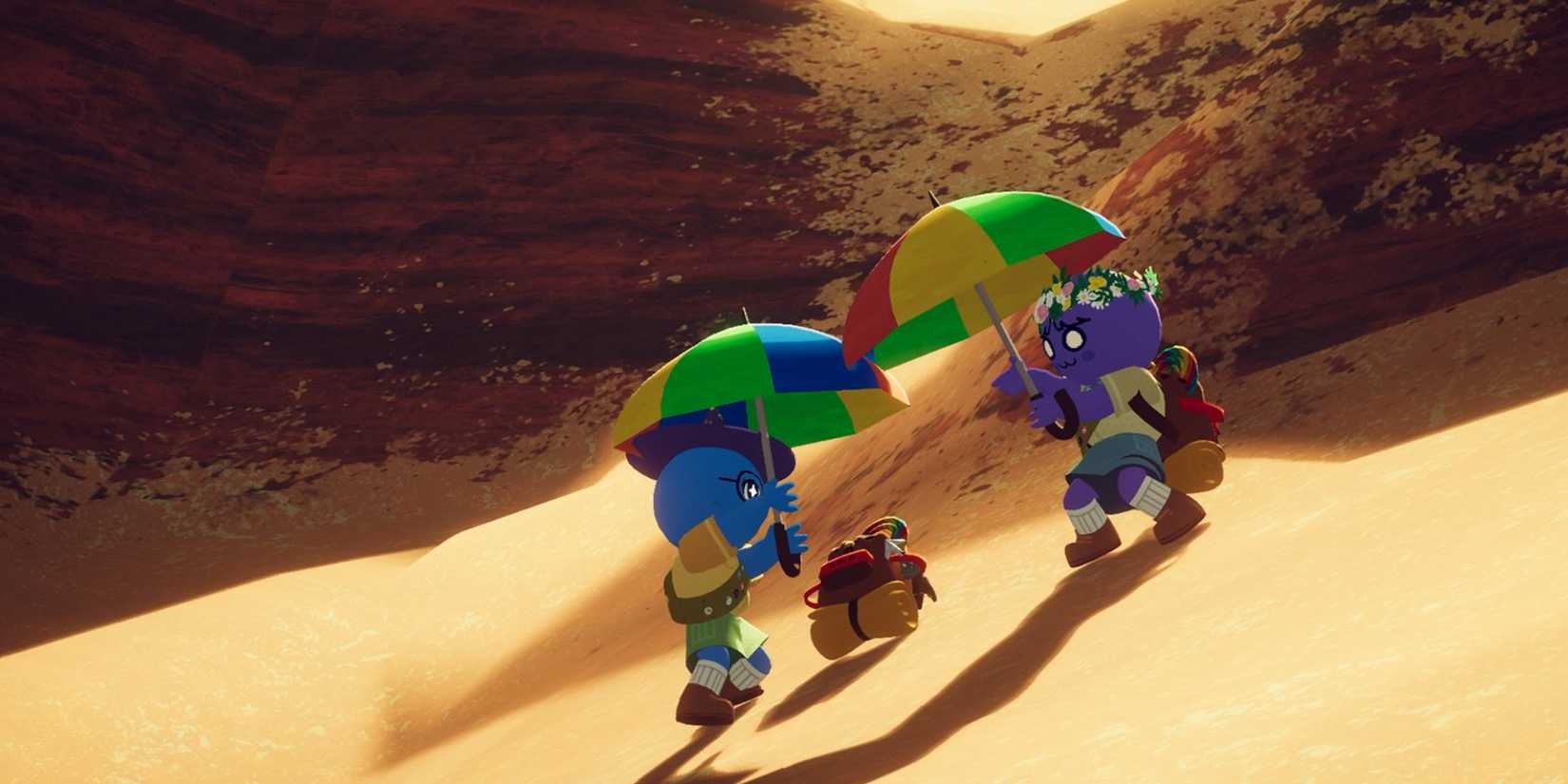
Conquering the Heights: A Look Back at PEAK's Mesa Update and the Chaos of Climbing
Since its explosive release in June 2025, PEAK—the hit co-op climbing simulation from Aggro Crab and Landfall Games—has defined the "friendslop" genre. With over ten million copies sold and a massive presence on Twitch, it has become a staple for groups of friends looking for physics-based chaos. Among its milestone content drops, the "Mesa" update stands out as a pivotal moment that tested both the developers' responsiveness and the community's patience.
Whether you're a seasoned scout or a newcomer trying to reach the summit, understanding the history of this sun-scorched biome is essential for appreciating how the game has evolved in 2026.
The Invisible Wall: A Lesson in Live-Service Development
When the Mesa biome launched on August 11, 2025, it was intended to be a celebration of new environmental hazards—deadly dust storms, cacti, and vertical canyons. However, the launch was infamously marked by a "game-breaking" bug: an invisible wall near the summit that prevented players from completing their runs. For a game whose entire premise is reaching the top, this barrier turned hours of progress into frustration.
The response, however, solidified the developers' reputation. In less than an hour, the team at Aggro Crab issued a patch, swiftly removing the barrier. This rapid-fire communication style has become a hallmark of the PEAK development cycle, transforming a potential disaster into a moment of community camaraderie.
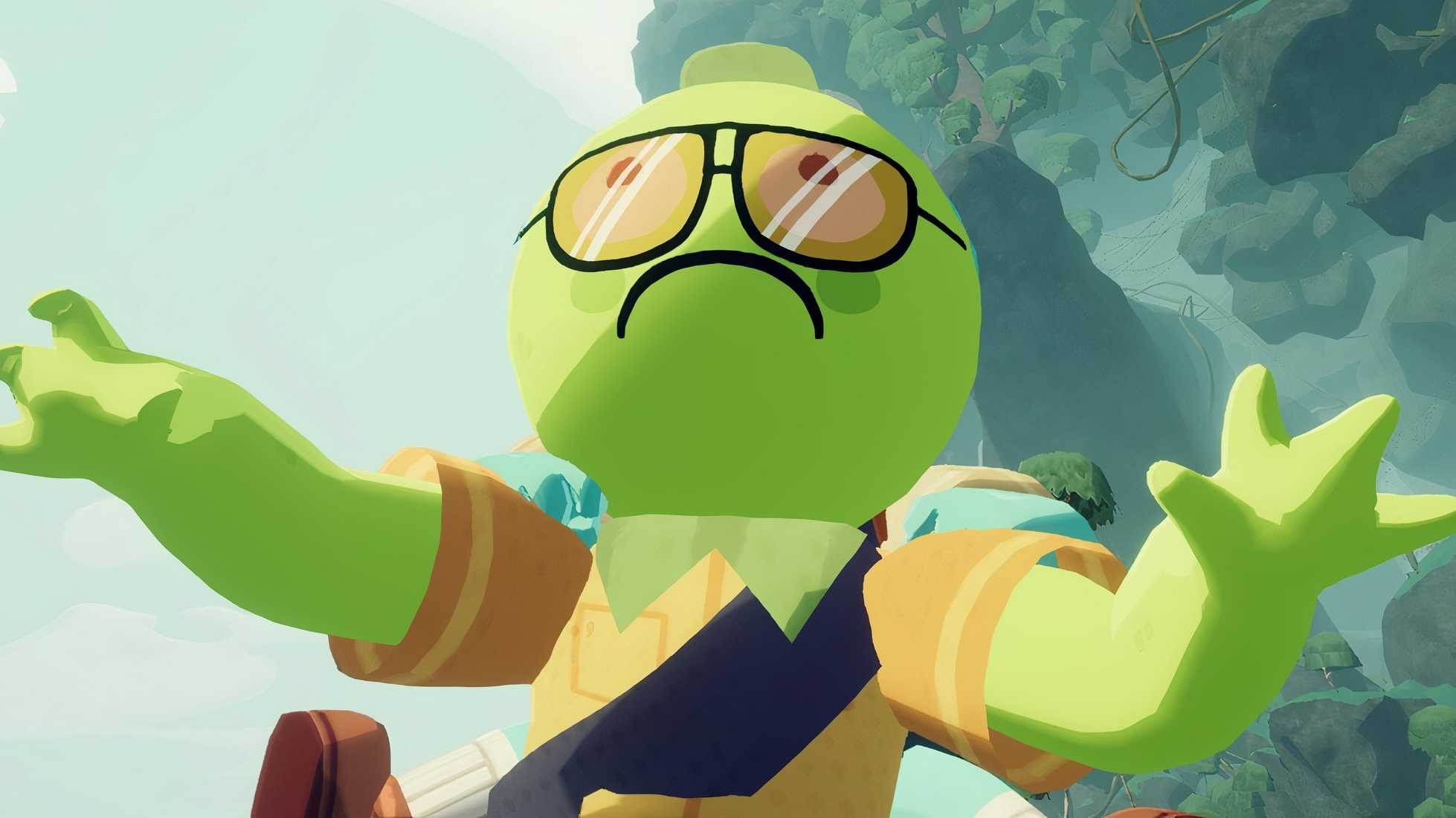
Surviving the Mesa: New Mechanics and Gear
Once the technical hurdles were cleared, the Mesa biome proved to be one of the most challenging environments in the game. Unlike the chilly, snow-covered Alpine slopes, the Mesa requires a shift in strategy:
- Environmental Hazards: Watch out for spinning tornadoes and relentless heat that drains stamina faster than ever.
- Essential Gear: Success now requires scavaging for new items like sunscreen, parasols, and aloe vera to mitigate environmental damage.
- Quality of Life: The update also introduced a "Bug Phobia Mode" for players sensitive to the new arachnid critters added to the desert landscape.
Why PEAK Continues to Dominate in 2026
As we move through 2026, PEAK remains a "Very Positive" rated sensation on Steam. The procedural generation system ensures that every 24-hour rotation feels like a new challenge, and the collaborative nature of the climbing mechanics forces teams to communicate, strategize, and often, fail together. The studio’s commitment to "rapid iteration"—often joked about as writing code at "breakneck speed"—has resulted in a game that feels alive, unpredictable, and endlessly replayable.
Climbing Strategies for Success:
| Biome | Primary Hazard | Required Strategy |
|---|---|---|
| Alpine | Extreme Cold | Maintain heat/campfires |
| Mesa | Sun exposure/Wind | Sunscreen/Parasols |
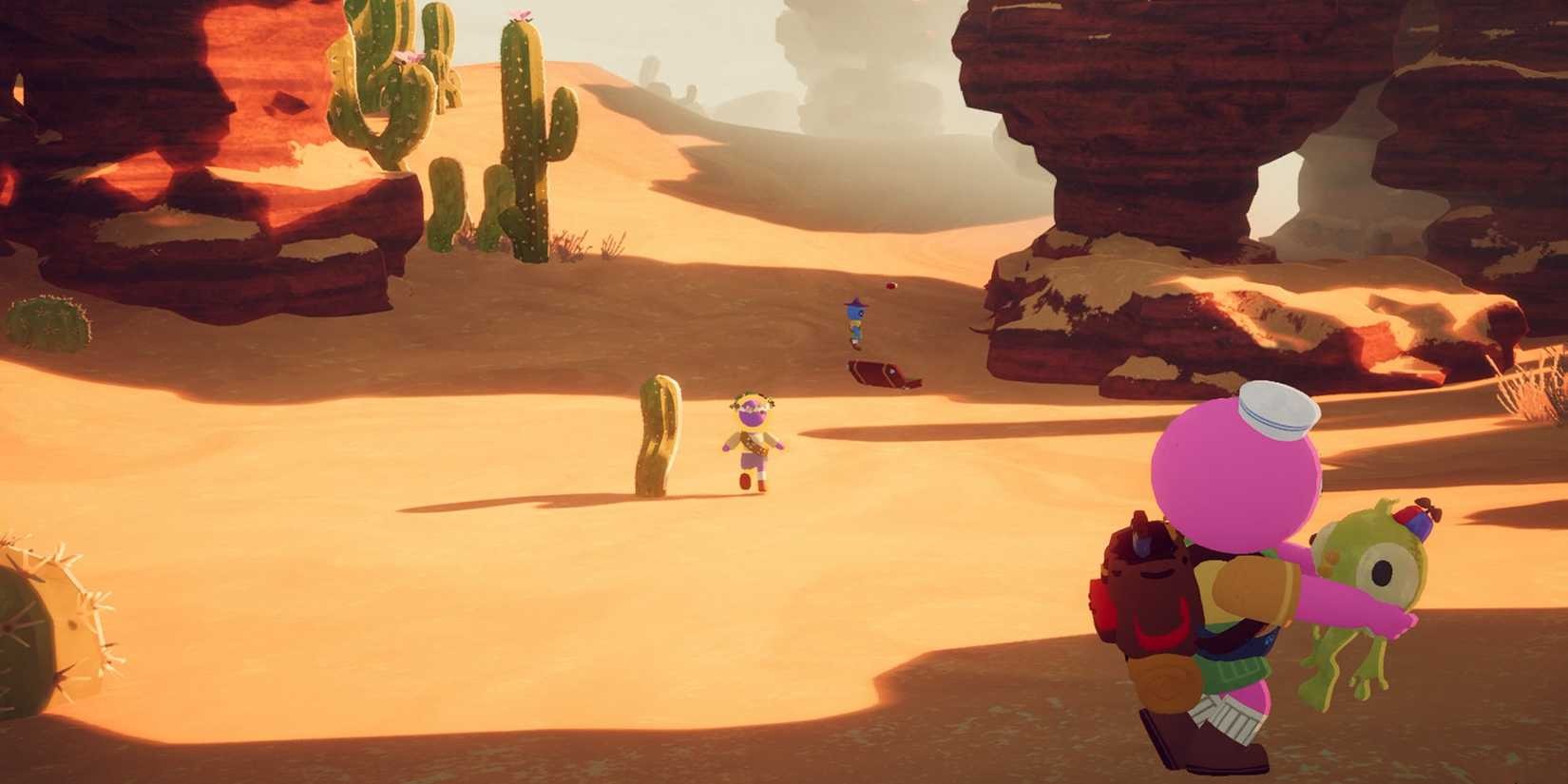
The success of the Mesa update and the subsequent "Roots" biome update has cemented PEAK as the ultimate co-op survival experience. By embracing a "cowboy" approach to development—fast, fun, and wild—Aggro Crab has proven that the best games are often the ones where the developers aren't afraid to let things break, fix them instantly, and keep the players laughing the whole way to the summit.
Have you conquered the Mesa yet? Are you still struggling with those pesky dust storms, or have you mastered the art of the parasol climb? Share your favorite PEAK horror stories in the comments below!