SOVEREIGN TOWER: MANAGING ARTHURIAN CHAOS ONE TERRIBLE DECISION AT A TIME
Sovereign Tower: A Masterclass in Medieval Chaos and Kingdom Management
From wretch to ruler in the blink of an eye. That is the opening gambit of Sovereign Tower, the upcoming Round Table management RPG from developers Wild Wits. It is a premise that instantly sets the tone for everything that follows: one moment you are a nobody scraping by, and the next, you are perched on a throne within a massive, decaying castle, fielding high-stakes requests from peasants, haughty nobles, and the occasional deeply suspicious character who insists they have your best interests at heart.
After spending significant time with the public demo, it is clear that Sovereign Tower is a standout title for anyone who thrives on managing absolute, unmitigated chaos while desperately pretending to have it all under control. By blending deep management mechanics with a narrative-driven RPG structure, Wild Wits has crafted something that feels both fresh and addictively challenging.
The Core Loop: Holding Court and Managing Egos
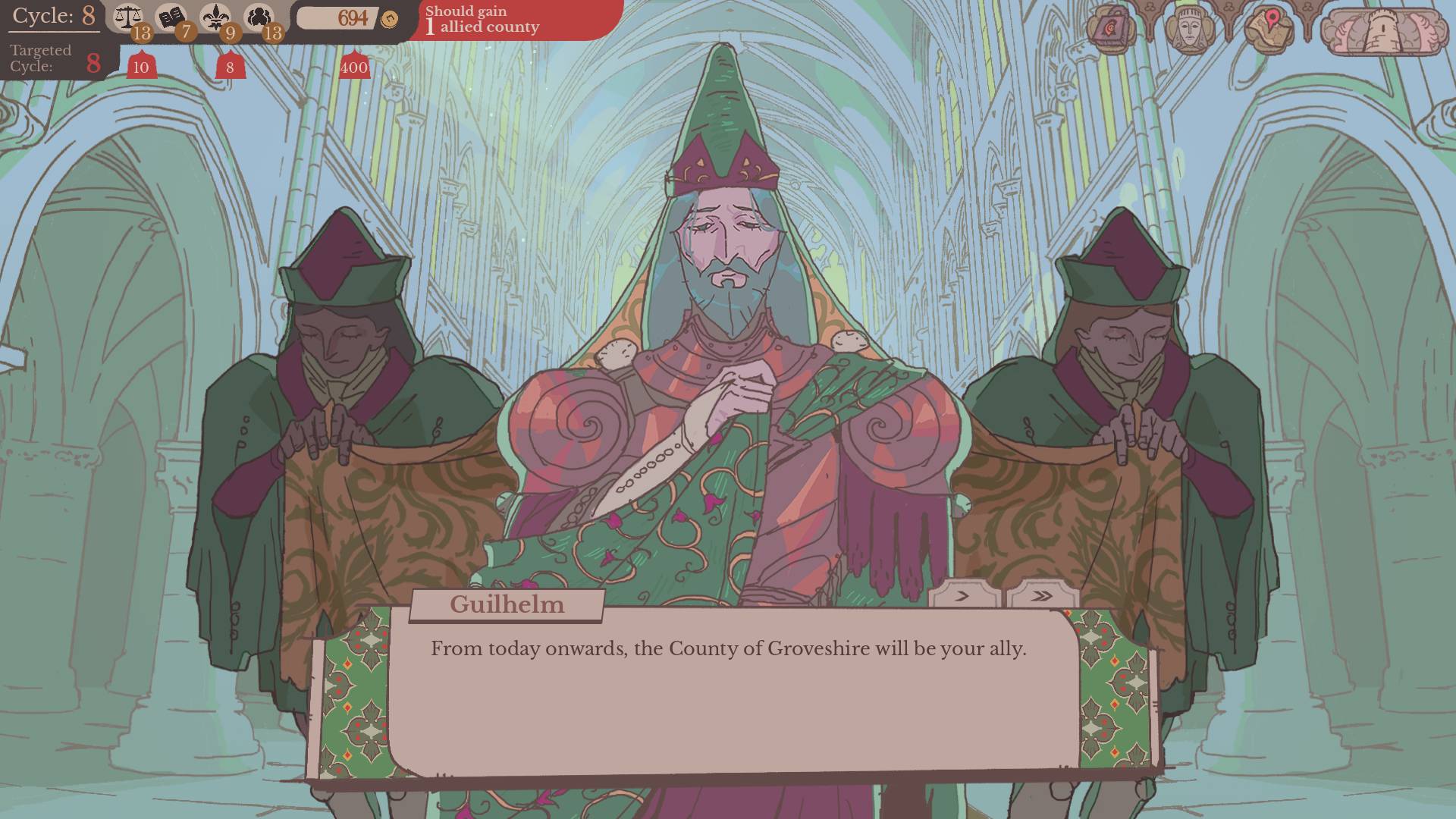
The beating heart of Sovereign Tower is the court-holding mechanic. As the sovereign, your daily routine involves hearing petitions and requests that range from the hilariously mundane to the utterly bizarre. You might be asked to help a villager who is terrified to enter the bathhouse because of a rogue goose, or you might be tasked with finding an entire herd of missing sheep for a panicked farmer who fell asleep on the job.
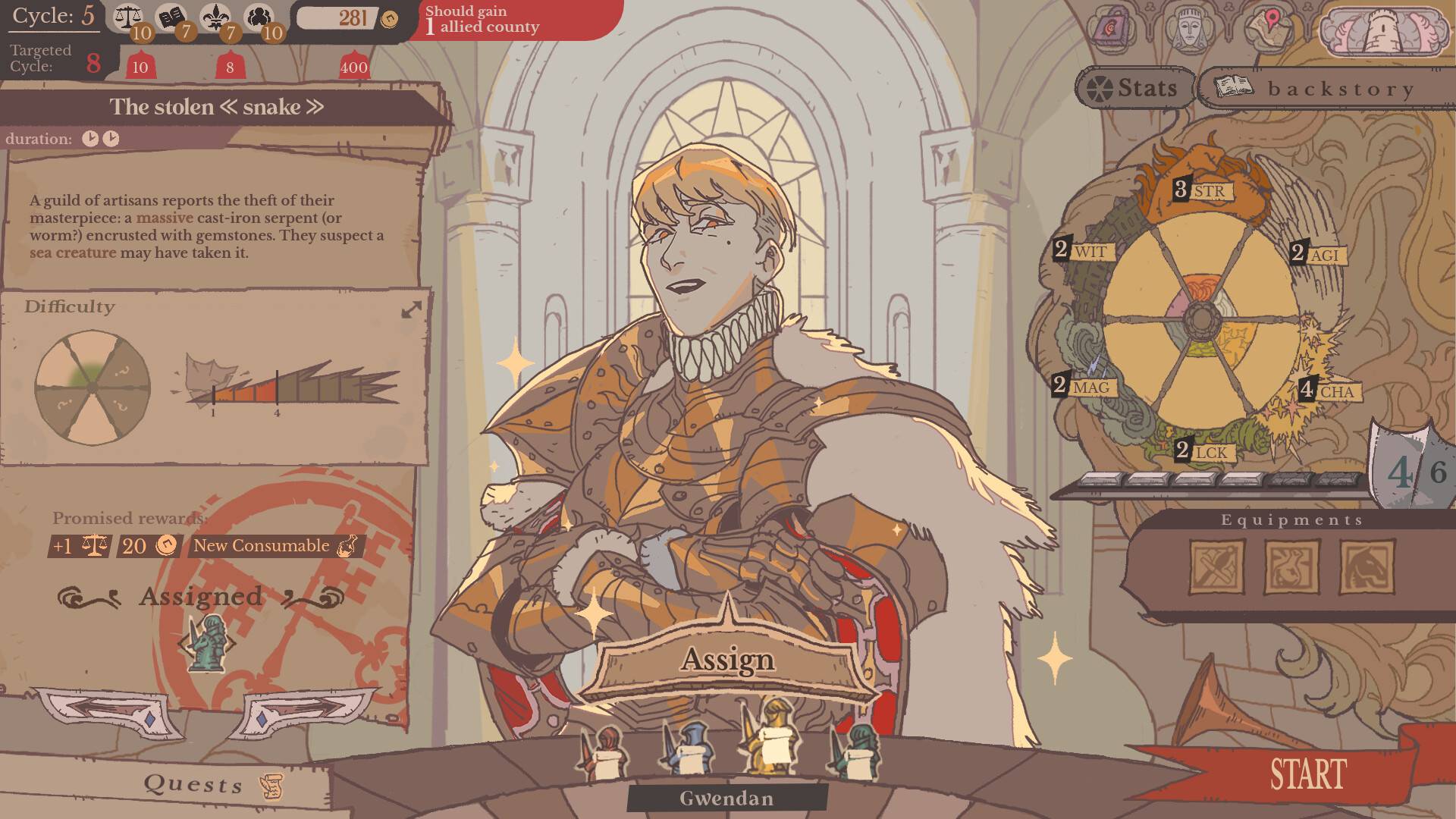
Your primary tool for solving these problems is your roster of knights. You are responsible for matching their specific skill sets to the requirements of each quest. Success is not guaranteed, and it hinges entirely on your ability to judge character.
- The Diplomat: Essential for smoothing over tensions with rival nobles or navigating trade negotiations.
- The Brute: Perfect for slaying monsters or intimidating local bandits, but a disaster in delicate social situations.
- The Rogue: Ideal for reconnaissance and stealth, but woefully ill-equipped for a head-on clash with a giant.
Dispatching a brute-force warrior to handle a nuanced diplomatic mission is a recipe for catastrophe. Conversely, sending a fragile rogue to duel a heavily armored champion is equally daft. Each quest tests specific attributes, and your knights will return with varying degrees of triumph or failure. In true "Souls-lite" management fashion, some knights simply will not return at all. If a champion dies, they are gone forever, and the consequences of their loss ripple through your kingdom. Public opinion shifts, your treasury drains or fills, and the delicate relationships within your court evolve based on who you favor and how spectacularly your plans fall apart.
Kingdom Management: Fortifying the Realm
Beyond the Round Table, Sovereign Tower adds a complex layer of base-building and kingdom management. You can open and renovate new wings of your castle to optimize your rule. A prime example is the forge, where a charming, no-nonsense blacksmith crafts and sells high-quality swords to boost your knights' base stats. She will also repair their damaged armor—which your champions will inevitably accumulate as they brave the ruins of Bretania.
Managing these upgrades alongside your kingdom's fluctuating finances and public sentiment creates a constant, high-pressure balancing act. You are not just managing soldiers; you are managing a living society. The game does an excellent job of layering these systems so that they never feel overwhelming, but rather interdependent. A happy blacksmith leads to better armor, which leads to higher survival rates for your knights, which keeps the kingdom’s coffers full. It is a satisfying, cyclical loop that forces you to constantly look at the bigger picture.
A Narrative-Driven Threat
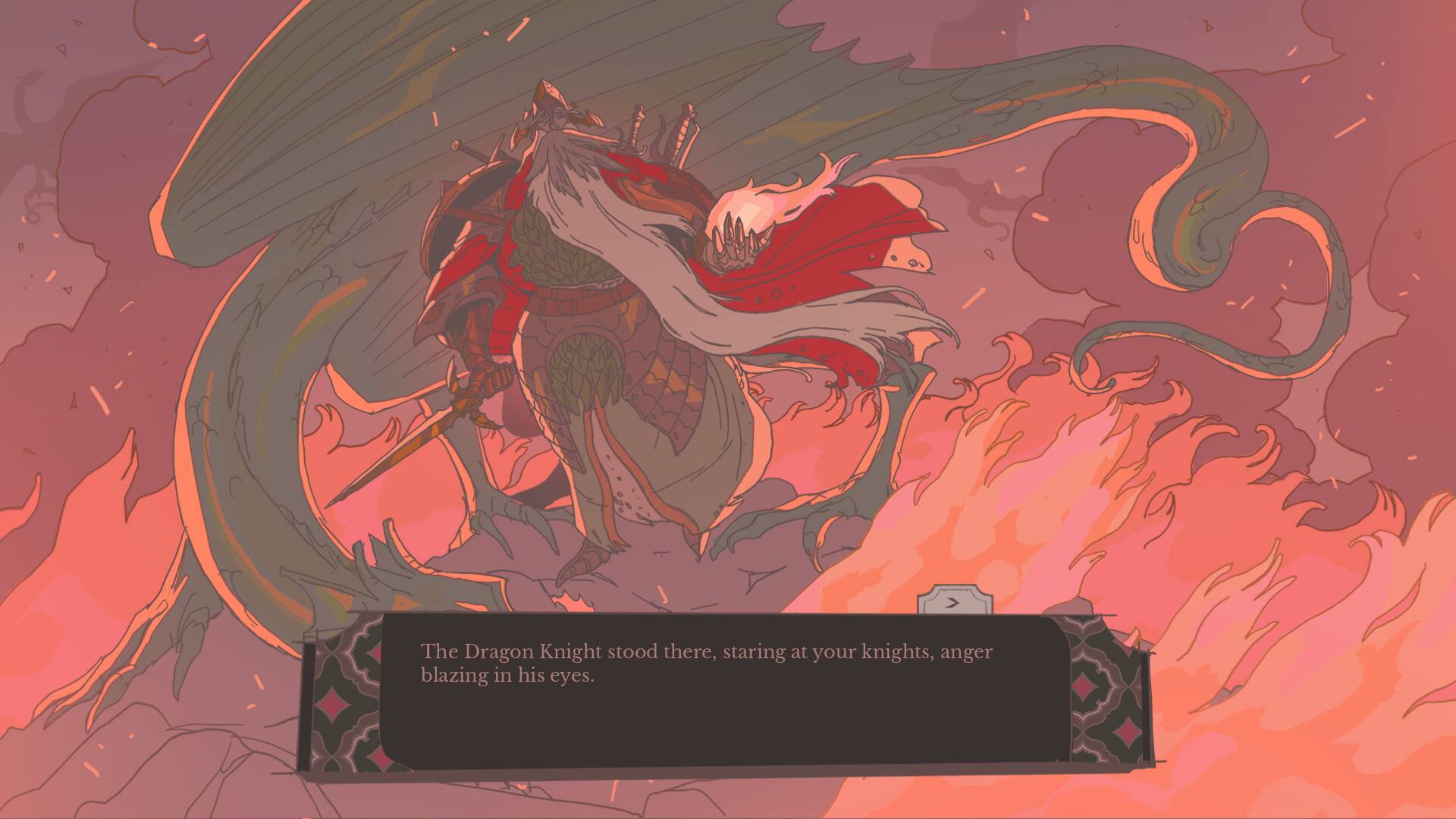
While the court requests provide the daily "busy work," the game introduces a looming antagonist early on, providing a clear, existential threat to work against. This narrative pacing is one of the game's greatest strengths. Even while you are dealing with a villager's missing sheep, you are constantly aware of the larger, darker forces gathering at your gates.
The writing is sharp, witty, and surprisingly personality-driven. Despite the lack of voice acting, every villager, noble, and knight possesses a distinct "voice" through their dialogue portraits. You will find yourself genuinely caring about specific characters, making the decision to send them on a high-risk quest feel truly weighty. You are not just pushing buttons; you are making choices for people you have come to know.
The Demon’s Bargain: A Twist on Time
When everything inevitably goes pear-shaped—and make no mistake, it will—Sovereign Tower introduces a fascinating mechanical twist: you can strike a deal with a demon to rewind time. This "Demon's Bargain" allows you to tackle failed situations with the knowledge gained from your previous mistakes.
It is a clever evolution of the management genre. It allows you to unlock different dialogue options, adjust your knight assignments, and potentially avoid the catastrophic choices that led to the collapse of your kingdom. This suggests a massive amount of replayability, with branching paths that reward experimentation. Seeing how a different choice ripples through the court or changes the outcome of a key battle provides an incentive to keep playing even after a "Game Over" screen.
Presentation and Atmosphere
The art style deserves special commendation. It utilizes a striking, hand-drawn quality that captures the classic fantasy medieval aesthetic without falling into the trap of looking "generic." Every character portrait is a masterclass in personality-driven design; you can tell everything you need to know about a knight or a noble just by glancing at their posture and expression.
The musical score complements this perfectly. It is a mix of whimsical lute-heavy melodies and foreboding, low-register orchestral drones that creates an atmosphere which is equal parts cozy castle management and serious, medieval peril. The presentation as a whole is professional, distinctive, and highly memorable.
| Feature | Gameplay Impact |
|---|---|
| Court Management | Directly impacts kingdom coffers and public opinion. |
| Knight Assignments | High risk/reward; failures result in permanent character loss. |
| Demon Rewind | Allows for experimentation and branching narrative paths. |
| Castle Upgrades | Provides stat boosts and long-term sustainability. |
The Final Verdict: A Must-Watch Strategy Title
Sovereign Tower is a rare gem that manages to be both complex and incredibly accessible. It captures the frantic, stressful energy of managing a kingdom while keeping the narrative stakes high and the tone perfectly balanced between lighthearted whimsy and serious consequences. The management mechanics are rock solid, the narrative hook is genuinely gripping, and the entire package has enough personality to stand out in a crowded market.
Launching in August 2026, Sovereign Tower is poised to be a surprise hit for anyone who enjoys juggling resources, balancing politics, and seeing how spectacularly they can ruin—or rule—a medieval kingdom. Whether you are the sort who loves to keep everyone happy through careful diplomacy, or you just want to see how many times you can force a demon to fix your disastrous mistakes, make sure this title is on your radar.
Status: Highly Recommended