Ori and the Will of the Wisps: When Whimsy Reaches Its Peak on Every Frame
Ori and the Will of the Wisps Review: A Breathtaking Masterclass in Metroidvania Design
It is a considerable and incredibly rare achievement for a video game’s opening moments to instantly secure your undivided emotional attention, especially when introducing a brand-new intellectual property. Yet, the emotional wallop that kicked off Ori and the Blind Forest in 2015 was powerful enough to instantly cement that debut title as a modern classic. What followed that tear-jerking prologue was a platforming dream, evoking the lush, vibrant visual palette of Rayman Legends—complete with a breathtaking hand-drawn aesthetic—paired with the kind of zippy, hyper-responsive movement that made exploring its intricate maps an absolute joy.
Now, the long-awaited follow-up from Moon Studios has finally arrived. Ori and the Will of the Wisps looks set not only to continue that trend but to completely redefine what we expect from the genre. With significant enhancements to graphical density, a completely overhauled combat system, and environments sporting an almost obscene amount of detail, this sequel is a triumph. It is the definition of an iterative masterpiece: taking everything that worked flawlessly the first time around and building a towering, ambitious foundation upon it. Here is our comprehensive look at what makes this sequel so incredibly special.
A Visual Spectacle: Setting the Gold Standard for 2D Animation
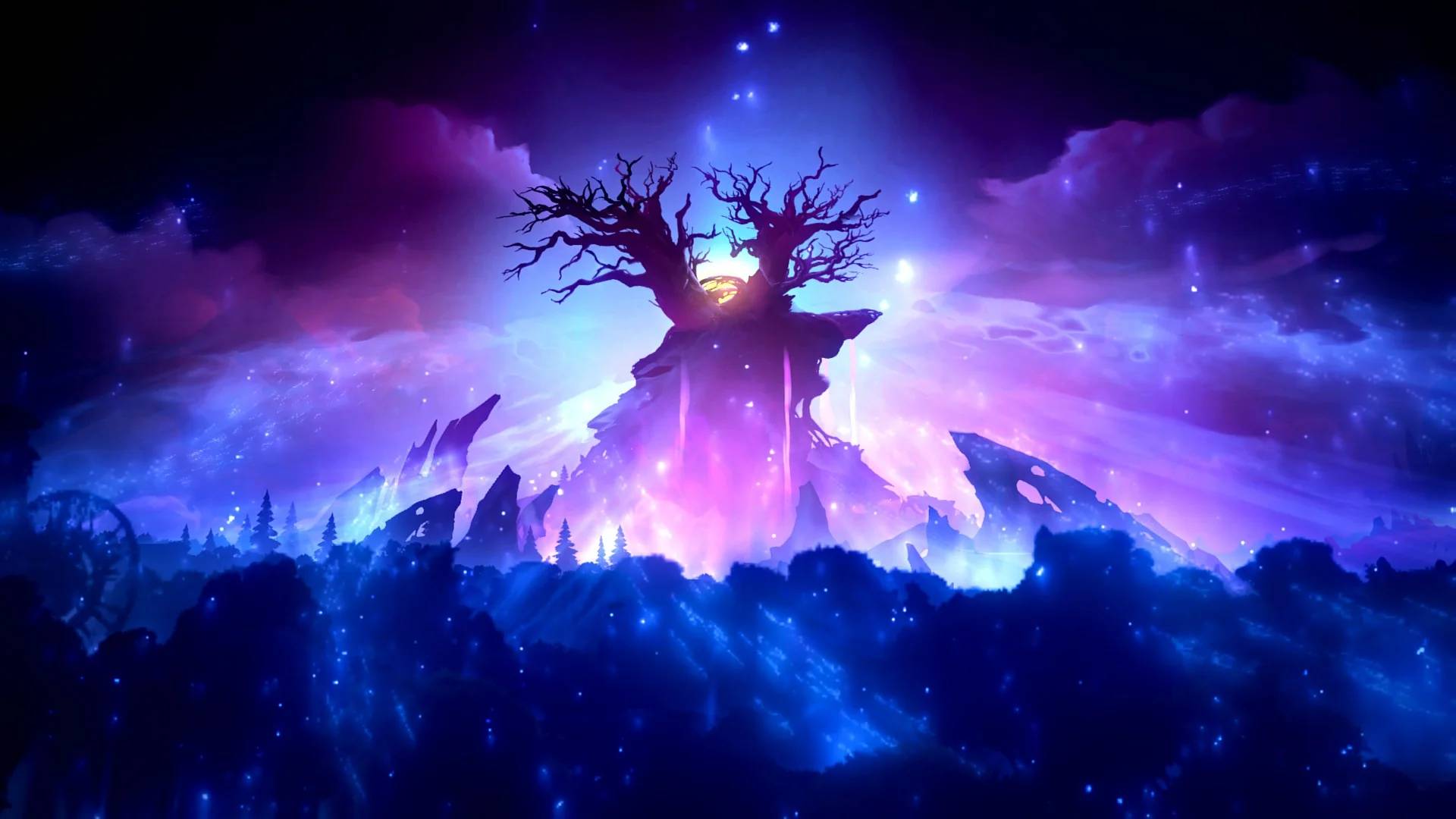
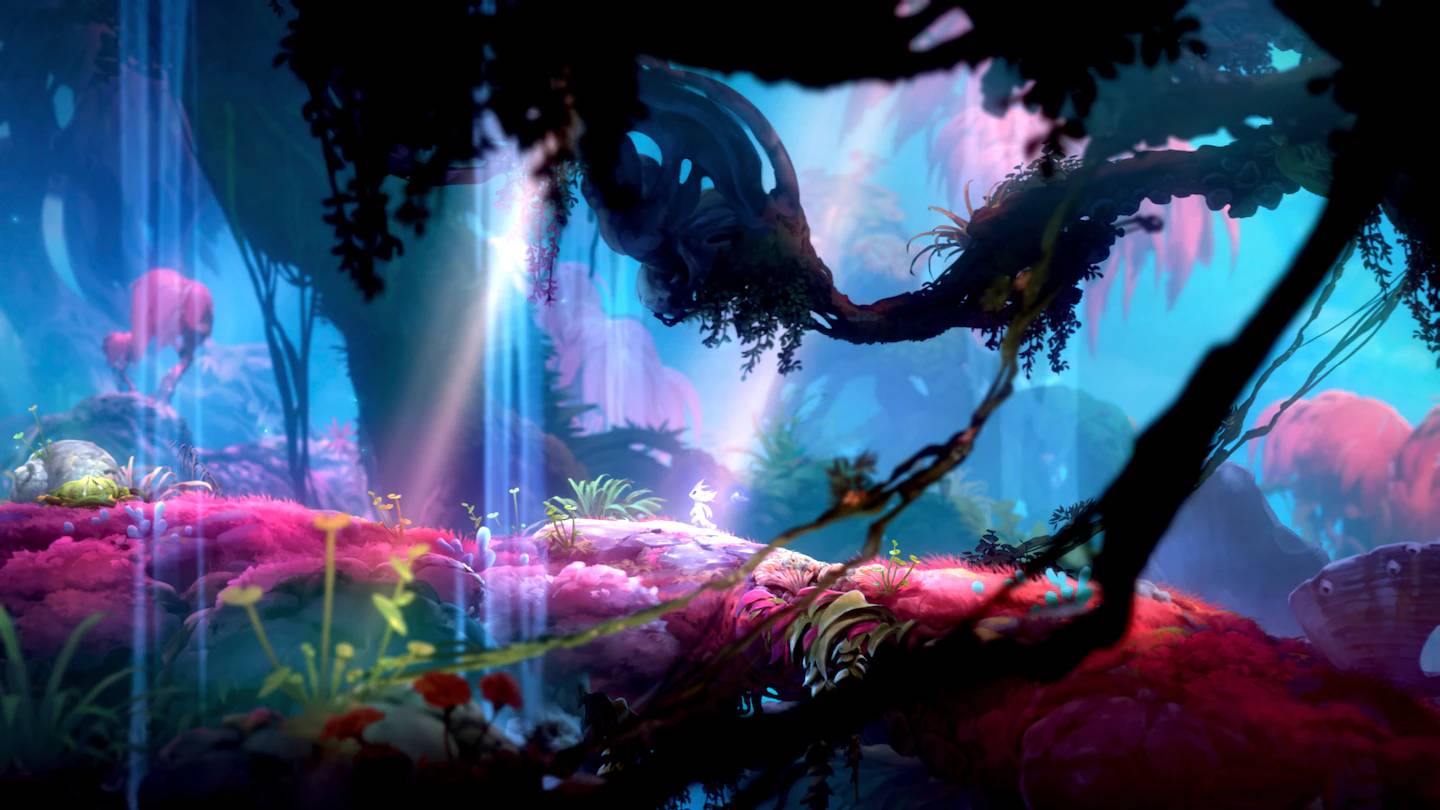
From a purely visual standpoint, Ori and the Will of the Wisps is a staggering achievement. Moon Studios has pushed their proprietary engine to its absolute limits, creating a world that feels less like a video game and more like a living, breathing, interactive painting. The varied locales play a massive part in this visual diversity. The developers have actively pushed the boundaries far beyond the familiar forests of the previous map, taking players into desolate, bone-chilling winter peaks, sun-drenched desert ruins, and murky, bioluminescent swamps.
What truly sets this game apart for visual purists and content creators alike is the underlying tech. The animation and movement are now being produced at a native 60 frames per second (fps) to perfectly match the base refresh rate of the game itself. In the original title, character animations were rendered at 30fps while the game ran at 60fps, which occasionally caused a slight visual disconnect.
Now, with every single frame fully animated at 60fps, the fluidity is mesmerizing. For digital creators looking to capture pristine, high-resolution B-roll for cinematic video intro sequences, this game is an absolute goldmine. The vibrant, dynamic lighting and ultra-smooth particle effects provide the exact kind of striking, high-retention visual assets that naturally drive massive engagement and Click-Through Rates across gaming platforms. It is a visual feast that makes every leap, dash, and slash look incredibly cinematic.
Traversal and Interactivity: The Art of the Perfect Platformer
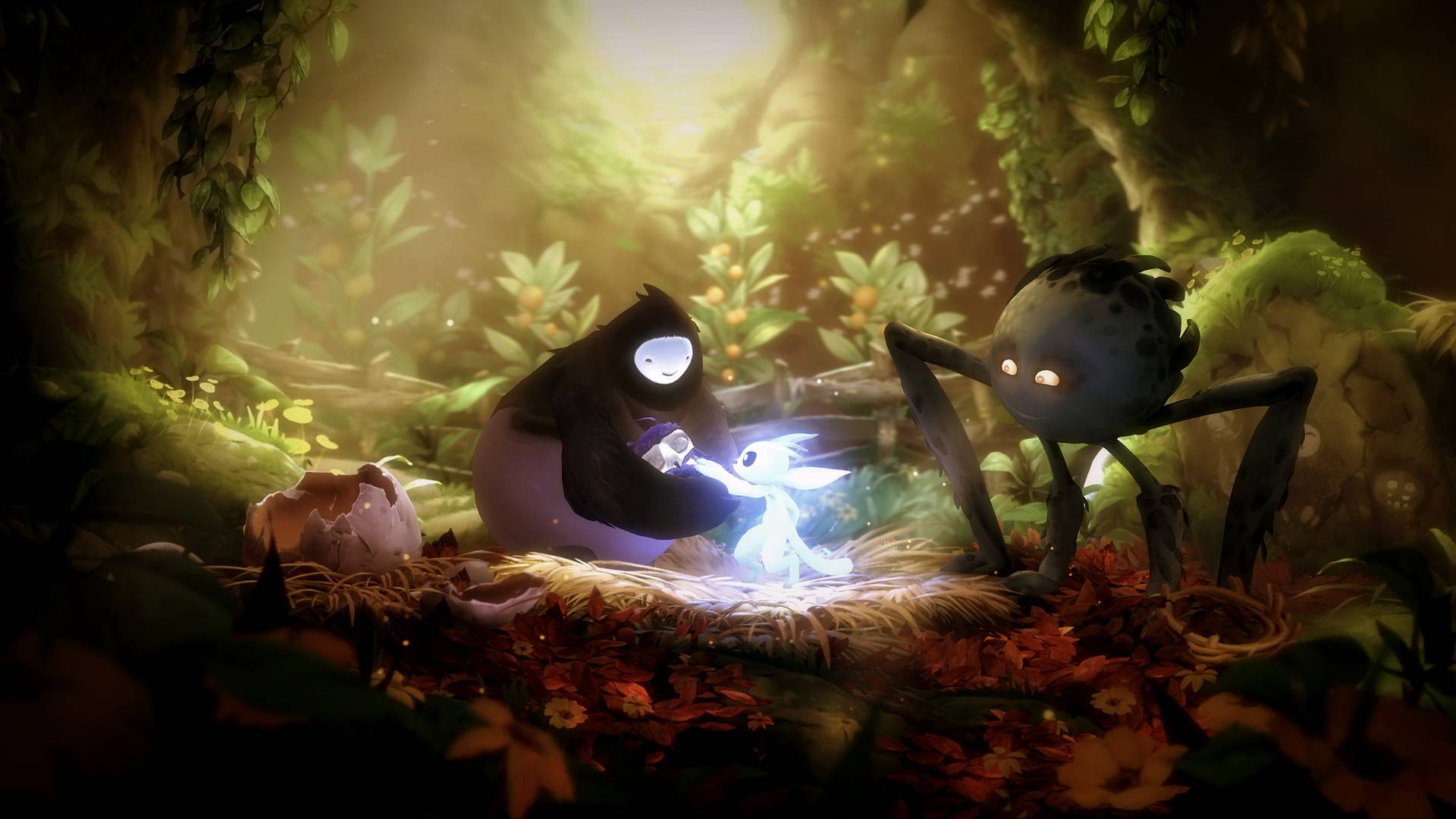
A Metroidvania lives and dies by its movement mechanics, and Will of the Wisps delivers the most fluid traversal system in the history of the genre. The interactivity of the world has seen a massive bump. The levels themselves are far more reactive to Ori’s presence; fragile branches bend under your weight, tall grass parts dynamically as you sprint through it, and water ripples realistically when you dive.
This environmental reactivity, combined with Ori's vastly expanded moveset, adds a tremendous amount of weight and tactile feedback to your actions. The standout addition is a brand-new, glowing whip-like grapple ability. This mechanic allows Ori to latch onto hanging moss, blue grapple points, and even certain enemies, pulling the agile protagonist across massive, treacherous gaps with ease. It fundamentally changes the pace of the game, allowing skilled players to stay airborne for minutes at a time without ever touching the ground.
The progression remains true to the classic Metroidvania style. The sprawling, interconnected map is filled with tantalizing secrets and alternate routes that are strictly locked out until you have secured the appropriate skill to proceed. Backtracking never feels like a chore; instead, returning to an early-game area with a double-jump, a mid-air dash, and a grapple whip allows you to completely shatter the platforming puzzles that previously stumped you.
Overhauled Combat: From Passive to Aggressive
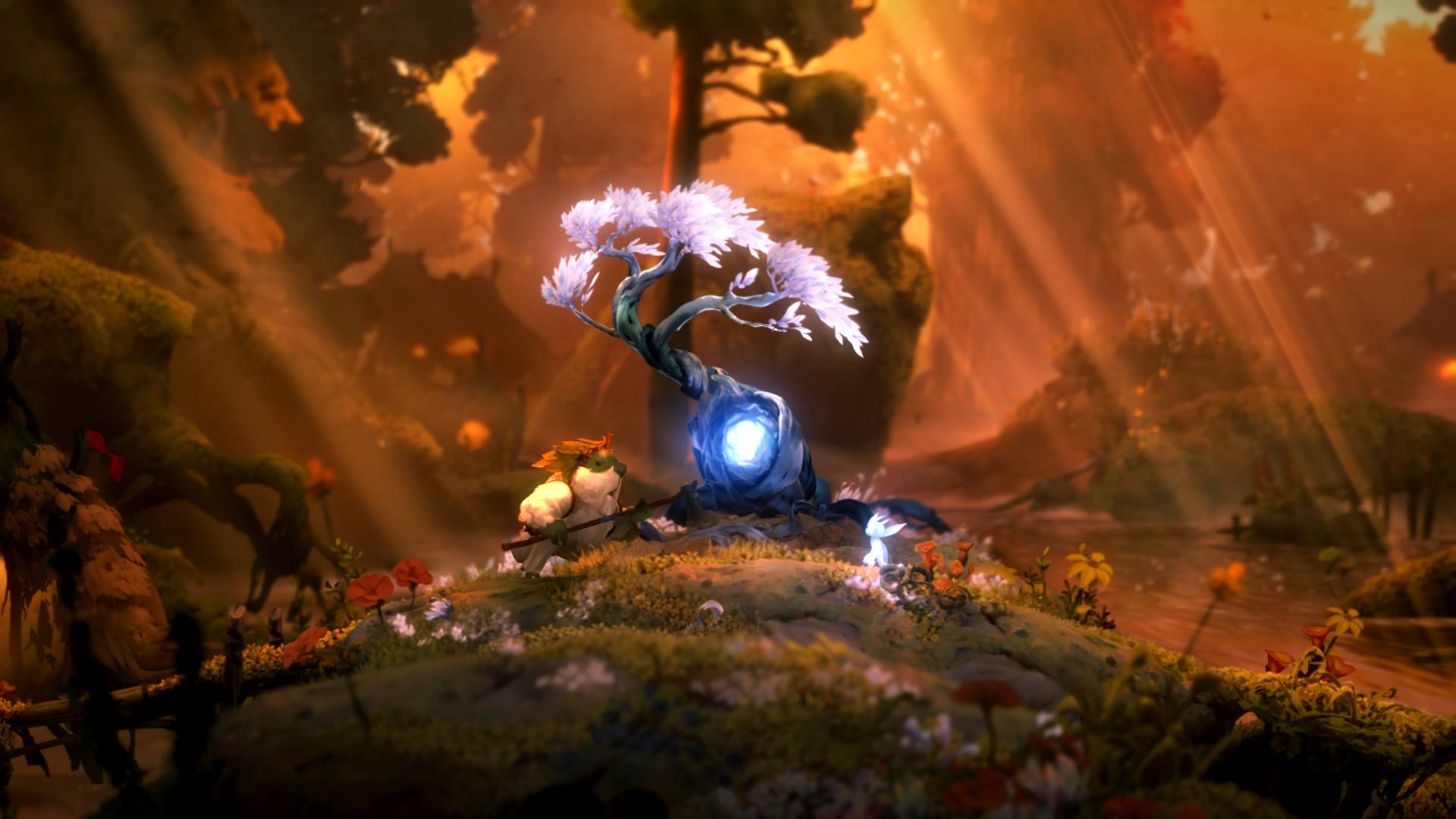
Perhaps the biggest criticism of Ori and the Blind Forest was its overly simplistic combat. In the first game, attacking mostly consisted of mashing a single button while a floating wisp auto-targeted nearby enemies. Moon Studios took this feedback to heart, completely ripping out the old system and replacing it with a robust, directional melee combat engine.
Ori is now equipped with an arsenal of spirit weapons. You have access to a fast-slashing Spirit Edge (a sword-like weapon for quick combos), a devastating upward heavy attack with the Spirit Smash (a massive, slow-swinging hammer that shatters enemy armor), and a Spirit Arc (a precision bow for ranged engagements). Players can map these weapons to the face buttons, allowing for seamless, fluid combos. You can launch an enemy into the air with the hammer, juggle them with the sword, and finish them off with a volley of arrows before you even hit the ground.
Epic Boss Encounters
This newly expanded combat system is put to the ultimate test in the game's newly introduced, multi-stage boss encounters. Moon Studios has put an incredible amount of time into crafting these massive spectacles, forcing Ori to defeat all manner of twisted, corrupted creatures.
These bosses are exaggerated, terrifying versions of existing real-world specimens, providing a touchstone to reality despite their fantastical scale. You will find yourself desperately fleeing from an enraged, giant wolf through a burning forest, engaging in a tense standoff with a tunneling, worm-like adversary with a snapping jaw in the desert dunes, and battling a colossal, corrupted bird creature amidst the clouds. Their unique animations, highly telegraphed attack patterns, and specific vulnerabilities make for a thoroughly interesting and deeply rewarding combat challenge.
| New Feature | Impact on Gameplay |
|---|---|
| 60fps Native Animation | Provides buttery-smooth traversal and visually stunning combat combos. |
| Directional Melee Combat | Replaces auto-targeting with skill-based, customizable weapon loadouts. |
| Grapple Whip Mechanic | Allows for high-speed, aerial platforming and dynamic enemy engagement. |
| Multi-Stage Boss Fights | Introduces massive cinematic set-pieces that test both combat and platforming skills. |
Expanding the Endgame: Spirit Trials and Shrines
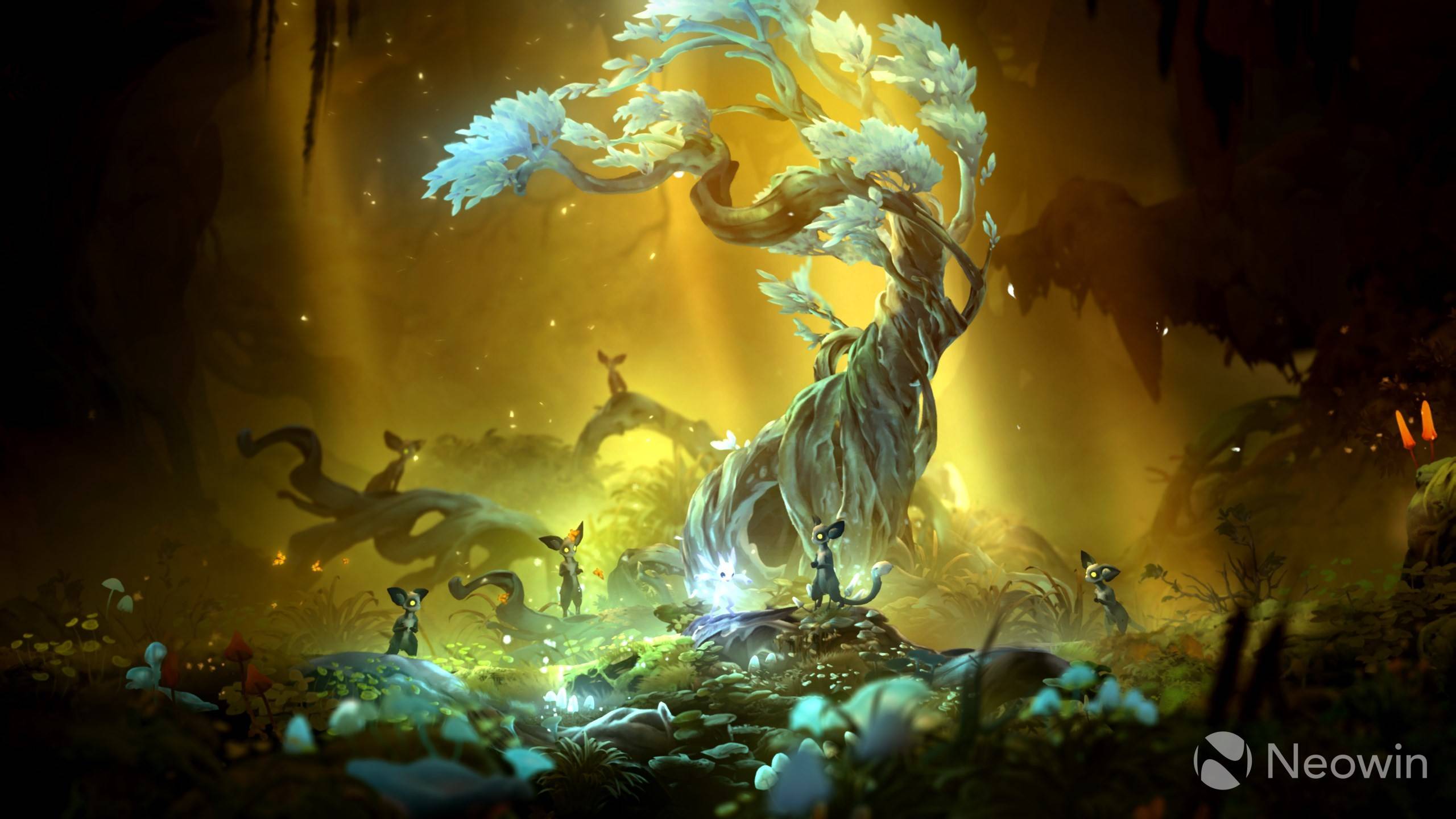
Beyond the deeply emotional and lengthy single-player campaign, Moon Studios has thrown a set of brand-new, highly replayable modes into the mix to keep players engaged long after the credits roll.
- Spirit Trials: This mode is an absolute dream for speedrunners and competitive players. Spirit Trials are asynchronous multiplayer races scattered throughout the world. You must navigate a highly complex, hazardous obstacle course in record time, racing against the "ghost" data of other players on the global leaderboards. It strips away the combat and forces you to execute your platforming moves with absolute, frame-perfect precision.
- Spirit Shrines: Conversely, Spirit Shrines are designed to test your mastery of the new combat engine. This is Ori's take on a wave-based horde mode. Activating a shrine traps you in a small arena where you must survive against increasingly difficult waves of elite enemies. Conquering these shrines rewards you with massive amounts of in-game currency and expands your maximum equippable shard slots.
Both of these modes add significant value to the package. They hold the potential to be expanded in future content updates, helping to maintain interest and drive strong community retention long into the future.
The Final Verdict: An Xbox Game Pass Triumph
We have been eagerly waiting to see how Moon Studios would follow up their debut masterpiece, and Ori and the Will of the Wisps exceeds expectations on every single front. It is a masterclass in game design, seamlessly blending emotionally resonant storytelling, breathtaking 4K visuals, and flawlessly tight 2D platforming mechanics into an unforgettable package.
When combined with its Day 1 release on Xbox Game Pass, the value proposition here is simply unmatched. Whether you are a hardcore speedrunner looking to conquer the global leaderboards in the Spirit Trials, or a digital artist who simply wants to marvel at the industry-leading 60fps animations, the stage is set for Will of the Wisps to deliver everything it promised, and then some. It is, without a shadow of a doubt, a mandatory download for anyone holding an Xbox or PC.