NEW SUPER MARIO BROS. U DELUXE: A PIXEL-PERFECT COMPARISON OF THE MUSHROOM KINGDOM
New Super Mario Bros. U Deluxe: Switch vs. Wii U Graphics Comparison and Ultimate Review
The Nintendo Switch has become a phenomenal success, but it owes a significant portion of its robust library to the console that came before it. Yet another Wii U port has found its way to Nintendo's flagship hybrid system. New Super Mario Bros. U Deluxe bundles together the original New Super Mario Bros. U and its massive expansion, New Super Luigi U, into one cohesive package.
But when you strip away the convenience of portability, how different do the two versions actually look when put side by side? We have spent extensive time with both versions of the game, capturing footage to analyze the visual differences, performance metrics, and overall gameplay tweaks in real-time. Whether you are a returning veteran from the Wii U era or a new Switch owner looking for your next 2D platforming fix, here is everything you need to know about this deluxe package.
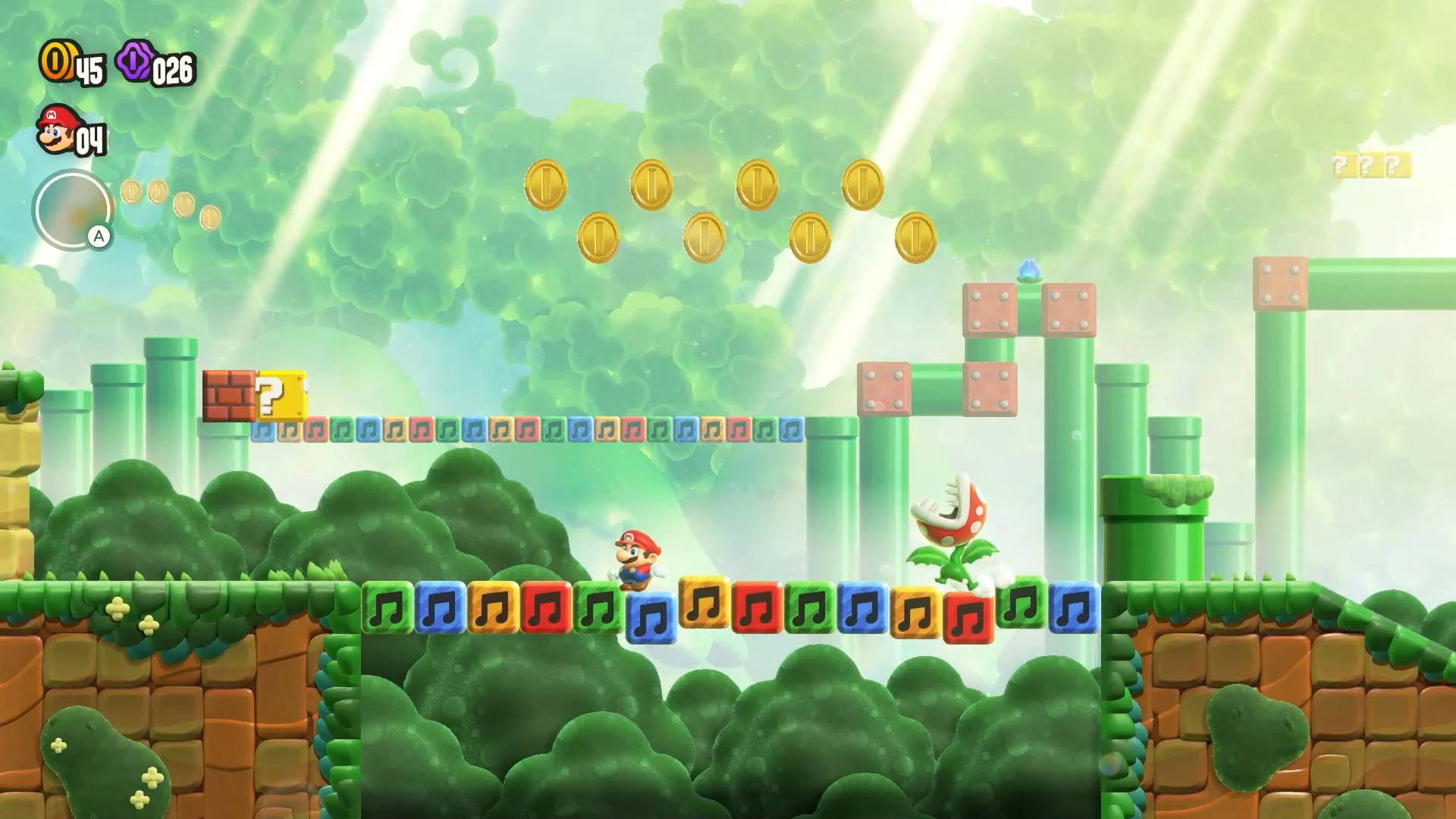
The Visual Upgrade: Switch vs. Wii U Graphics Comparison
At first glance, 2D platformers do not usually showcase the same massive graphical leaps as 3D open-world titles. However, side-by-side analysis reveals several distinct improvements that make the Switch version the definitive way to view the Mushroom Kingdom.
Resolution and Clarity
The most immediate and noticeable upgrade is the resolution. On the original Wii U hardware, the game ran at a native 720p resolution upscaled to 1080p. On the Nintendo Switch, New Super Mario Bros. U Deluxe runs at a native, crisp 1080p when docked and a flawless 720p in handheld mode.
This bump in native resolution removes the slight blurriness that plagued the edges of character models and environmental assets on the Wii U. The world map looks significantly sharper, and the intricate background details—from the swirling painted clouds in the sky to the shimmering ice caverns—pop with a clarity that was previously missing.
Color Saturation and Lighting
Nintendo has also subtly tweaked the color grading and saturation for the Switch release. The colors in Deluxe appear richer and more vibrant. The greens of the warp pipes are deeper, and the glowing lava in the castle stages casts a slightly warmer, more dynamic light on the characters. While the core textures remain largely unchanged from 2012, the improved contrast makes the game look surprisingly modern.
Performance Metrics
Both versions target 60 frames per second (fps), which is an absolute necessity for precision platforming. The Wii U version held this target well, but the Switch version locks it down perfectly. Whether you are playing solo or with four players causing absolute chaos on screen, the framerate remains an unwavering 60fps in both docked and handheld modes.
| Technical Spec | Wii U (Original) | Nintendo Switch (Deluxe) |
|---|---|---|
| Docked Resolution | 720p (Upscaled to 1080p) | Native 1080p |
| Handheld Resolution | 480p (Wii U GamePad) | Native 720p |
| Framerate | 60 fps | Locked 60 fps |
| Color Grading | Standard | Enhanced Saturation |
The Core Experience: A Standard but Exceptional Foundation
Moving past the graphics, how does the actual game hold up in 2019 and beyond? New Super Mario Bros. U is, without a doubt, a very good game. It delivers that exceptional, tightly-wound 2D Nintendo platforming experience that few other developers can replicate. The level design is meticulously crafted, introducing a new mechanic in almost every stage, exploring it thoroughly, and then discarding it before it overstays its welcome.
However, the game does sit in a somewhat awkward position. By today's standards, it feels a bit "standard" and safe. It exists in the towering shadow of Super Mario Maker 2, a game that offers a near-unlimited plethora of challenging, bizarre, and highly innovative community-created levels. If you are looking for wildly experimental level design, the traditional "desert world, ice world, fire world" progression of this game might feel slightly pedestrian. But what it lacks in avant-garde innovation, it makes up for in pure, polished consistency.
The Real Gem: New Super Luigi U
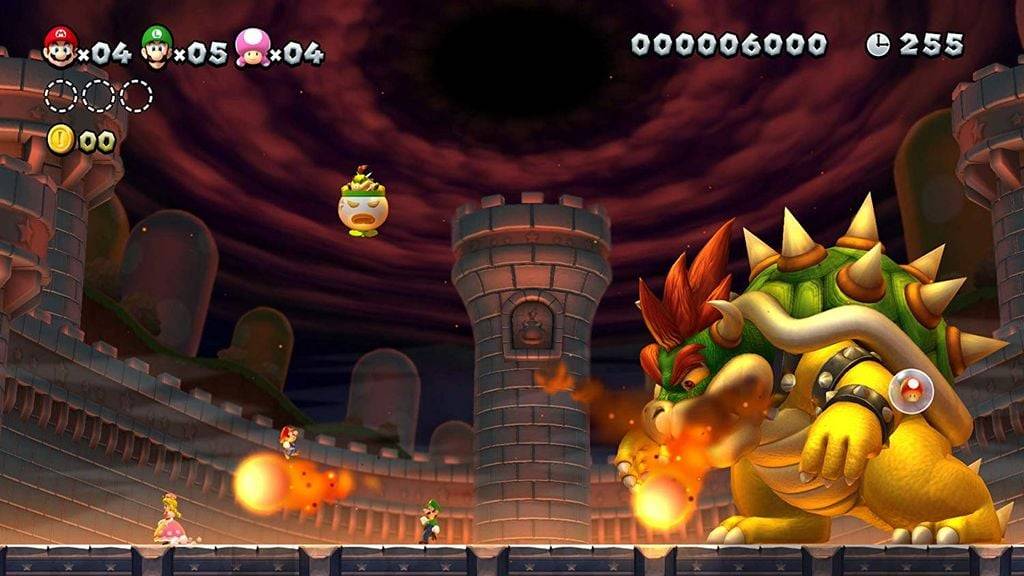
If the base game is the reliable appetizer, New Super Luigi U is the spicy main course. Originally released as a large-scale, stand-alone expansion in 2013 to celebrate the "Year of Luigi," this mode completely transforms the package and is easily the highlight of the Deluxe edition.
We have to say, this is easily one of the most frustrating and challenging Mario experiences we have ever played. It is not exactly a Dark Souls level of punishing difficulty, but it has absolutely managed to make us rage-quit more times than we care to admit.
A Masterclass in Remixing
The levels in New Super Luigi U are not entirely original landscapes; they are best described as aggressive remixes. The game takes the world map and themes of the base game and boils them down to their absolute core challenges. Every obstacle is magnified, every jump is tighter, and enemy placement is far more hostile.
The 100-Second Pressure Cooker
What truly elevates the tension is the clock. You only have 100 seconds to complete every single stage, and there are zero checkpoints. This fundamentally changes how you play. You cannot take your time to slowly inch past Piranha Plants or wait for perfectly aligned moving platforms. You have to sprint, utilizing Luigi’s unique physics—a higher, floatier jump combined with incredibly slippery traction—to survive.
The stages are much shorter, sharper, and sweeter. It distills the platforming essence into bite-sized, high-adrenaline sprints that are perfect for the Switch's portable nature.
New Additions for the Switch: Toadette and Nabbit
To make this challenging package more accessible to a wider audience, Nintendo introduced two specific character changes for the Deluxe edition that act as built-in difficulty modifiers.
- Toadette (Easy Mode): Toadette is a brand new addition to this release. When she picks up the unique Super Crown item, she transforms into Peachette. Peachette possesses a floaty double-jump and falls incredibly slowly, making precision platforming and bottomless pits much easier to navigate. She also gains an automatic boost upward if she falls into a pit, acting as a safety net for newer players.
- Nabbit (Very Easy Mode): Previously only playable in the Luigi expansion, Nabbit is now playable across the entire game. Nabbit is completely invincible to enemy damage. He cannot use power-ups, but he can literally run straight through Bowser's minions without taking a scratch. He is the perfect character for young children or anyone struggling with the later worlds.
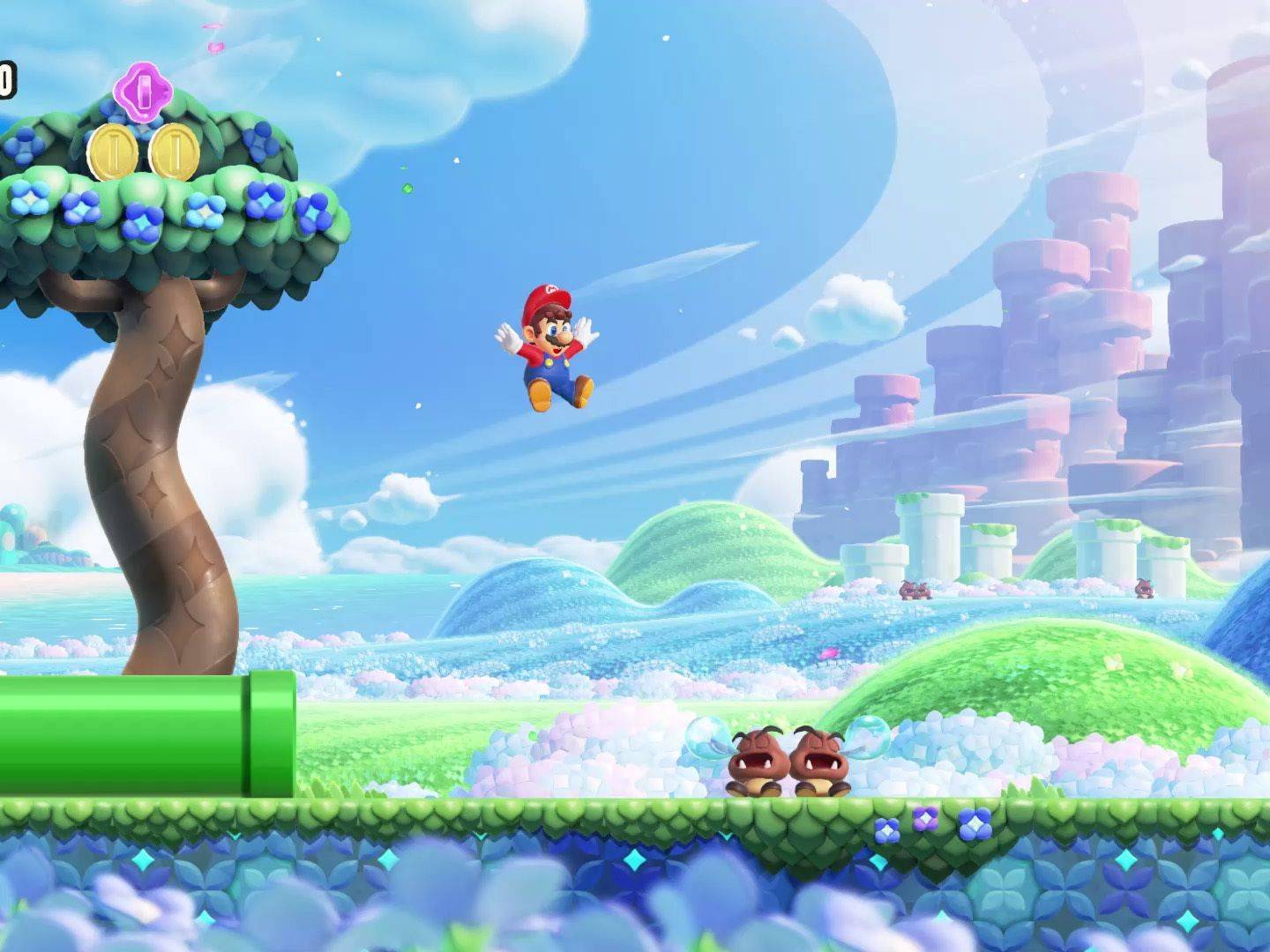
Extra Modes: Pushing Your Skills to the Limit
If conquering the massive 164 levels across both campaigns is not enough, the Deluxe package retains the excellent supplementary modes from the Wii U era, providing dozens of hours of endgame content.
- Challenges: This mode strips away the context of the world map and tasks you with specific, grueling objectives. You might have to complete a level without touching a single coin, dodge fireballs for a set amount of time, or bounce on enemies continuously without touching the ground to earn Gold, Silver, or Bronze medals.
- Boost Rush: A time-attack mode where the screen auto-scrolls. The twist? The more coins you collect, the faster the screen scrolls. It requires frantic optimization and flawless route planning to secure the best times.
- Coin Battle: A competitive multiplayer mode where up to four players battle it out on the same screen to see who can collect the most coins before reaching the flagpole. It is friendship-ruining in the best possible way.
The Final Verdict: Is It Worth the Price Tag?
Evaluating the worth of New Super Mario Bros. U Deluxe entirely depends on your history with the Wii U.
If you already own these games on the original hardware, the only genuinely new addition to this experience is the ability to play as Toadette, alongside the native 1080p bump. Frankly, for a full $60 retail price, that does not justify double-dipping unless you are desperate to have the game in a portable format.
However, for new players who skipped the Wii U generation—which accounts for tens of millions of current Switch owners—this is a phenomenal value proposition. You are getting two complete, highly polished games featuring 164 masterfully designed levels, robust multiplayer, and fantastic challenge modes. It is a brilliant, complete package that plays perfectly on the go and remains a quintessential piece of the modern 2D Mario legacy.