Dying Light: The Beast Review | Survival Horror at Its Most Savage
Dying Light: The Beast Review – Brutal Parkour Horror Returns, But It Plays Things Too Safe
After years of running across rooftops, smashing zombie skulls with rusty pipes, and desperately surviving terrifying night chases, the Dying Light formula is still undeniably entertaining. Few franchises combine first-person parkour, survival horror, and visceral melee combat quite like Techland’s zombie series.
That’s exactly why expectations for Dying Light: The Beast were incredibly high.
Originally planned as downloadable content for Dying Light 2, the project eventually expanded into a standalone release after Techland realized the scale of what they were building. Released on September 18, 2025 for PC, PlayStation 5, and Xbox Series X|S, The Beast promised darker horror, improved survival systems, vehicles, and a return to the oppressive atmosphere fans loved in the original game.
And to be fair, it absolutely delivers some of that.
The problem is that after spending dozens of hours inside Castor Woods, it becomes increasingly difficult to ignore one major issue: Dying Light: The Beast feels far more like an oversized expansion than a genuine next-generation evolution for the franchise.
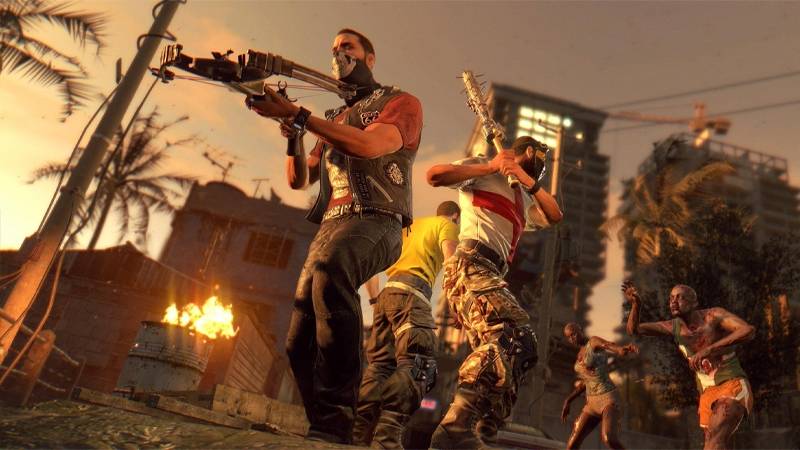
A Familiar Formula That Still Works
If you’ve played either of the previous Dying Light games, you already know exactly what to expect here.
You’ll sprint across rooftops, scavenge abandoned buildings for crafting materials, repair degrading weapons, complete side quests, and brutally dismantle hordes of infected using everything from baseball bats and machetes to hammers, sickles, and electrified improvised weapons.
Mechanically, very little has fundamentally changed.
That may sound disappointing, but it’s important to recognize something: the Dying Light gameplay loop is still incredibly fun.
Years of refining the franchise’s movement system have resulted in some of the smoothest first-person parkour mechanics in modern gaming. Running across rooftops, vaulting over obstacles, sliding beneath gaps, and narrowly escaping infected hordes remains deeply satisfying.
The movement flow feels fast, fluid, and responsive almost all the time.
Even when occasional environmental inconsistencies interrupt the parkour rhythm, simply traversing the city remains enjoyable enough to carry large portions of the experience.
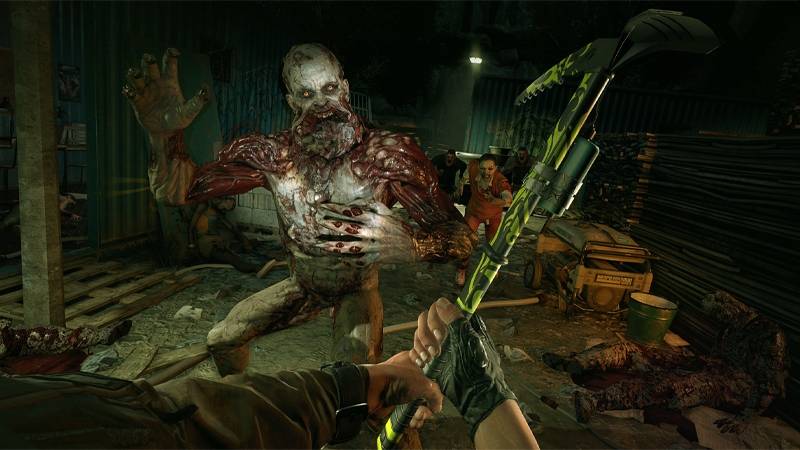
Combat also retains the franchise’s signature brutality.
Zombie dismemberment has been significantly improved, allowing players to target specific body parts more precisely than ever before. Smashing a zombie’s jaw with a hammer or slicing limbs apart with a machete never loses its grotesque appeal.
Headshots remain the fastest way to kill infected—unless they’re wearing helmets, masks, or heavy armor that protects their skulls.
The gore system is genuinely impressive and easily one of the game’s biggest strengths.
The Beast Mechanic and Vehicles
One of the major additions in Dying Light: The Beast is the new “Beast” mechanic, essentially functioning as a rage mode that temporarily transforms the player into an even more aggressive killing machine.
During these moments, combat becomes faster, more violent, and visually chaotic as players tear through enemies with enhanced strength and brutal finishers.
It’s undeniably entertaining, although the mechanic never feels revolutionary enough to completely reshape gameplay.
The same applies to vehicles.
Driving through parts of Castor Woods provides some welcome variety and helps expand the scale of the world, but the core gameplay still revolves heavily around rooftop traversal and close-quarters combat.
Vehicles feel more like an additional tool rather than a transformative gameplay feature.
And honestly, that perfectly summarizes much of The Beast: it adds new ideas without fundamentally changing the franchise formula.
Castor Woods Is Absolutely Stunning
Where Dying Light: The Beast truly shines is in its environmental design.
Castor Woods is one of the most visually atmospheric settings Techland has ever created.
The map blends dense urban districts, abandoned farms, foggy swamps, mountain regions, forests, ruined castles, and decaying industrial zones into a world that constantly feels dangerous and alive.
There were multiple moments during exploration where simply standing still and observing the scenery became more memorable than combat itself.
The contrast between nature reclaiming civilization and the brutal decay caused by the infected creates a fantastic visual identity.
Pink flowers growing across destroyed buildings, overgrown rooftops, swaying trees, flickering neon signs, and muddy alleyways all combine into an environment that feels surprisingly beautiful despite its horror setting.
Techland’s art direction deserves enormous praise here.
Even though the underlying graphics technology occasionally shows its age, the artistic vision carries the experience extremely well.
[Image Placeholder: A nighttime rooftop view of Castor Woods filled with infected roaming below under dark storm clouds]The Return of Truly Terrifying Nights
Perhaps the best improvement in Dying Light: The Beast is the return of genuinely dark nights.
One of the biggest criticisms aimed at Dying Light 2 involved its surprisingly bright nighttime environments, which reduced much of the tension and horror that made the original game so memorable.
Techland clearly listened to fan feedback.
Nights in The Beast are terrifying.
Without a flashlight, visibility becomes almost nonexistent. Rooftop parkour suddenly feels dangerous, narrow streets become death traps, and every distant sound creates anxiety.
The atmosphere during nighttime exploration is phenomenal.
Volatiles once again feel like apex predators rather than simple obstacles. Encountering one unexpectedly can instantly turn exploration into pure panic.
These darker nights dramatically strengthen the horror side of the franchise and help The Beast feel much closer in tone to the original Dying Light.
However, there were occasional issues involving Volatiles appearing during daytime sections due to launch bugs. Fortunately, Techland appears to have addressed most of these problems through post-launch patches.
The Weapon Durability Problem Returns
Unfortunately, one of the franchise’s most frustrating mechanics also returns unchanged: weapon degradation.
Weapons break extremely quickly in Dying Light: The Beast, forcing players into constant repair and scavenging loops.
To the game’s credit, crafting materials and replacement weapons are abundant enough that repairs rarely become catastrophic.
Still, constantly stopping to manage durability feels more exhausting than immersive.
In theory, the mechanic adds survival tension. In practice, it often feels like unnecessary busywork interrupting otherwise enjoyable gameplay flow.
This issue becomes especially noticeable during longer story sessions where players simply want to continue exploring without repeatedly diving into crafting menus.
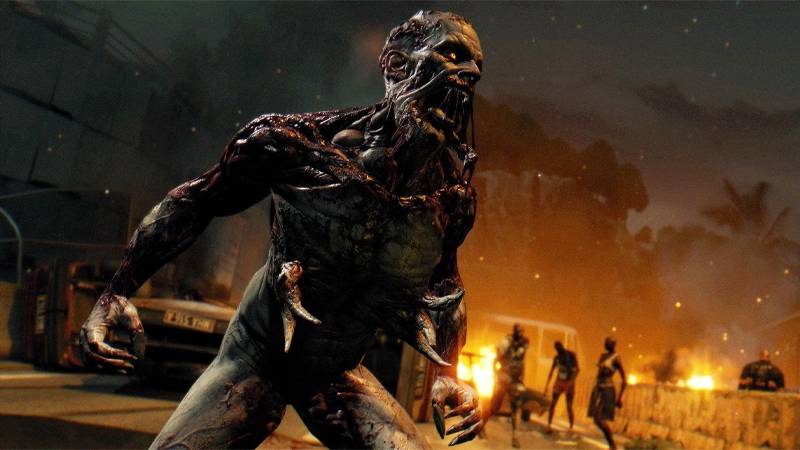
Graphics & Technical Performance
Technically, Dying Light: The Beast feels slightly inconsistent.
On one hand, environmental detail in certain city areas looks fantastic. Lighting effects, weather systems, and environmental density create moments that rival some of the best-looking open-world games available today.
On the other hand, character models, textures, and overall lighting technology occasionally make the game feel visually closer to a late PlayStation 4 title than a true current-generation release.
Techland’s proprietary engine is clearly beginning to show its age.
During testing on PC using a Ryzen 7 7800X3D, RTX 4080, and 32 GB RAM, performance remained stable overall with solid optimization across most gameplay scenarios.
However, some expected next-generation features were strangely absent at launch, particularly ray tracing options that had appeared in pre-release marketing materials.
Outside of that disappointment, technical stability was surprisingly solid.
Major bugs were relatively uncommon during the review period aside from the previously mentioned daytime Volatile issue.
So… Is Dying Light: The Beast Actually Worth Playing?
Absolutely—but with some important expectations in mind.
Dying Light: The Beast is a very good zombie survival game built upon one of the strongest gameplay foundations in the genre. The combat remains satisfying, the parkour is still fantastic, and the horror atmosphere has improved significantly compared to Dying Light 2.
At the same time, it rarely feels like the major leap forward many fans hoped for.
The game plays things surprisingly safe. Beyond the Beast mechanic, vehicles, and darker horror presentation, much of the experience feels structurally identical to previous entries.
That familiarity may disappoint players hoping for a true reinvention of the franchise.
Still, if you love zombie games, open-world exploration, and first-person parkour chaos, there’s plenty to enjoy here.
Techland may not have delivered the revolutionary sequel some players expected, but they absolutely delivered another highly entertaining Dying Light experience.
Pros:
- Fantastic first-person parkour movement.
- Dark nights successfully restore the horror atmosphere.
- Excellent environmental art direction and world design.
- Visceral combat and improved gore system.
Cons:
- Feels too similar to previous Dying Light games.
- Weapon durability system remains frustrating.
- Graphics technology occasionally feels outdated.
- New gameplay additions don’t significantly evolve the formula.
Final Score: 8 / 10