FATAL FRAME 2 REMAKE: THE DEADLY DANCE OF BEAUTY AND TORMENT
Fatal Frame II: Crimson Butterfly Remake Review – A Masterpiece of Dread Ruined by Frustrating Mechanics
There are very few things in the gaming world as polarizing as a beautiful nightmare. In the pantheon of Japanese horror, the Fatal Frame series (known as Project Zero in Europe) holds a legendary status. When Koei Tecmo and Team Ninja announced a full remake of the 2003 classic, Fatal Frame II: Crimson Butterfly, the horror community collectively held its breath. Team Ninja is renowned for precision action titles like Nioh, Ninja Gaiden, and Wo Long: Fallen Dynasty. Surely, their technical pedigree would elevate this survival horror classic for the modern era.
Unfortunately, expectations can be a double-edged sword. Released in March 2026 across PC, PS5, Xbox Series X|S, and the upcoming Nintendo Switch 2, the Crimson Butterfly Remake is a game of staggering extremes. It delivers an atmosphere and narrative so potent they will crawl under your skin and stay there. Yet, the moment you are forced to interact with its core combat mechanics, the terror dissolves into pure, unadulterated frustration. Here is our deep dive into a remake that reaches for greatness but ultimately trips over its own feet.
A Haunting Tale of Two Sisters: The Story Shines Brightest
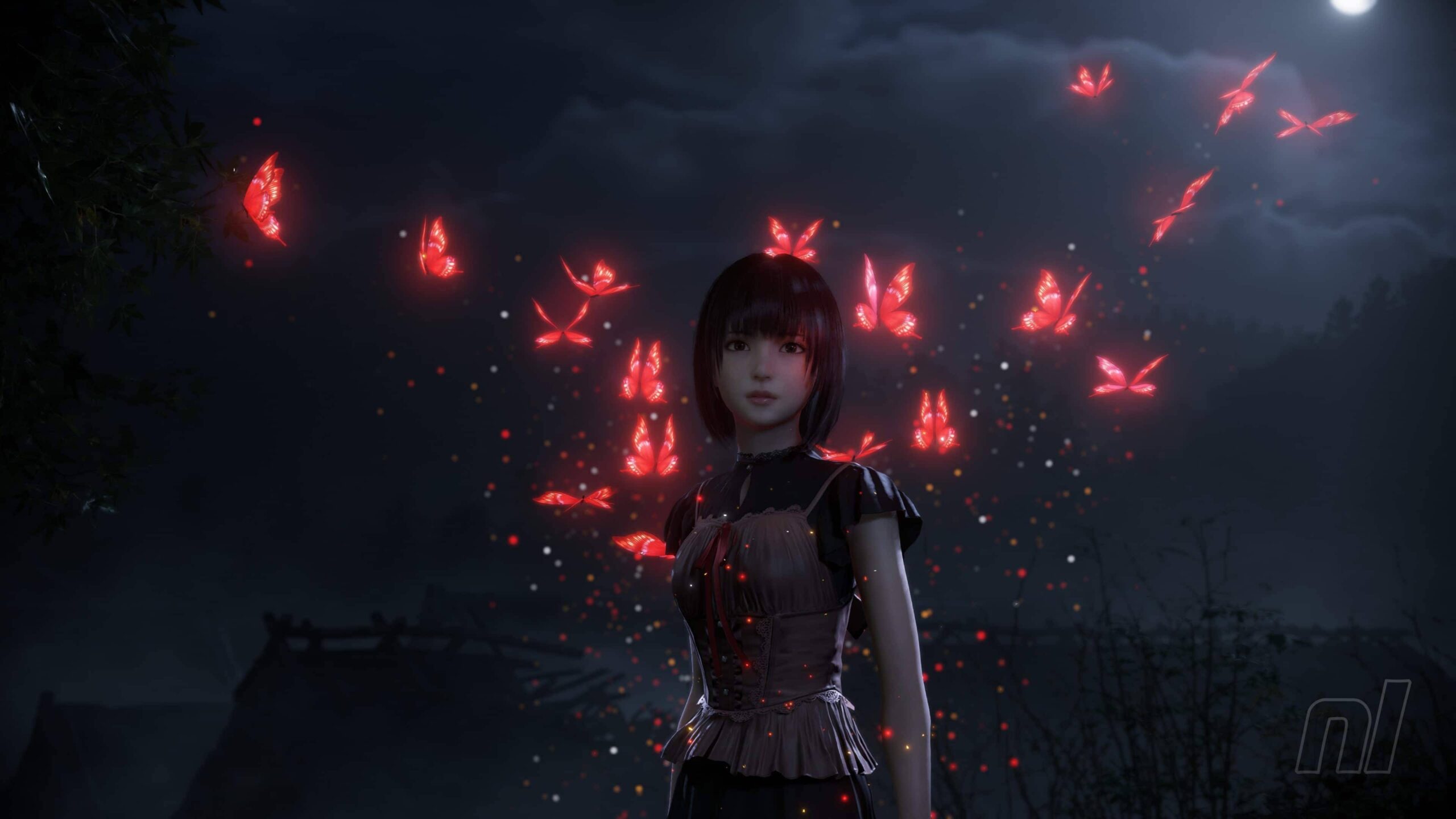
If there is one reason to endure the mechanical flaws of this game, it is the narrative. Fatal Frame II revolves around themes of mystery, anxiety, fear, and uncertainty. If you are a newcomer to the franchise, the opening hours will likely leave you deeply confused—but trust the process.
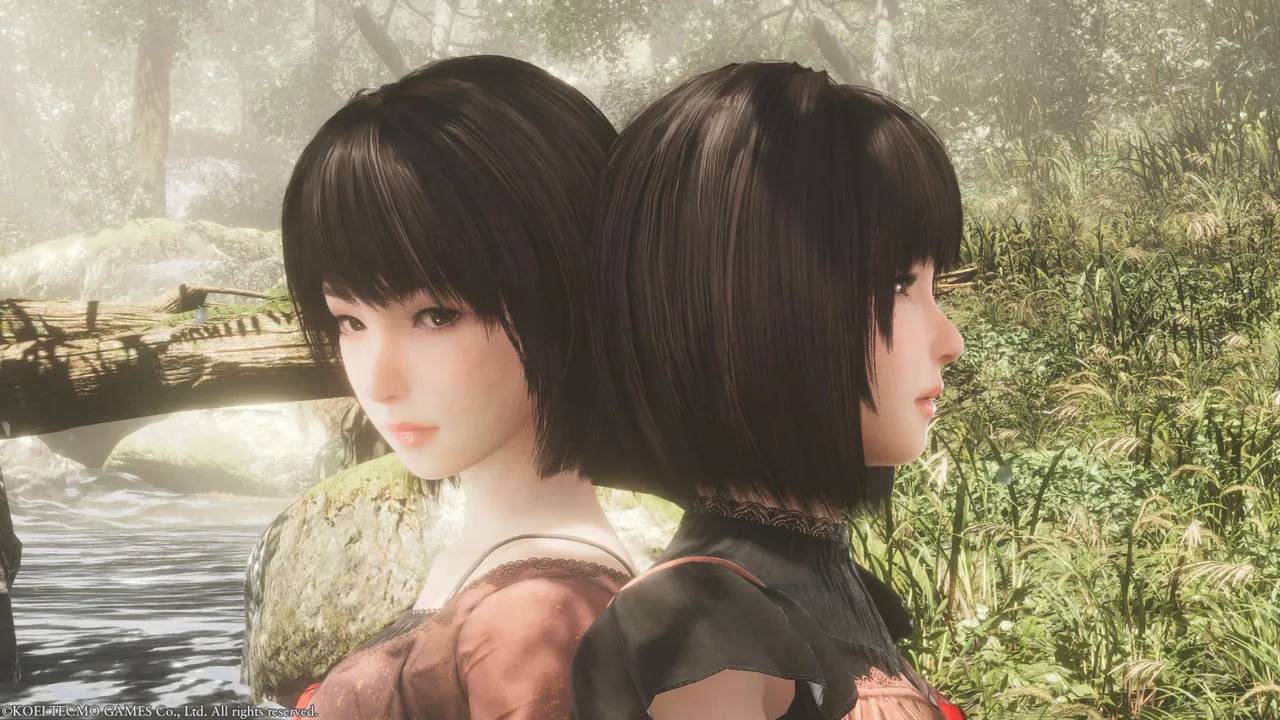
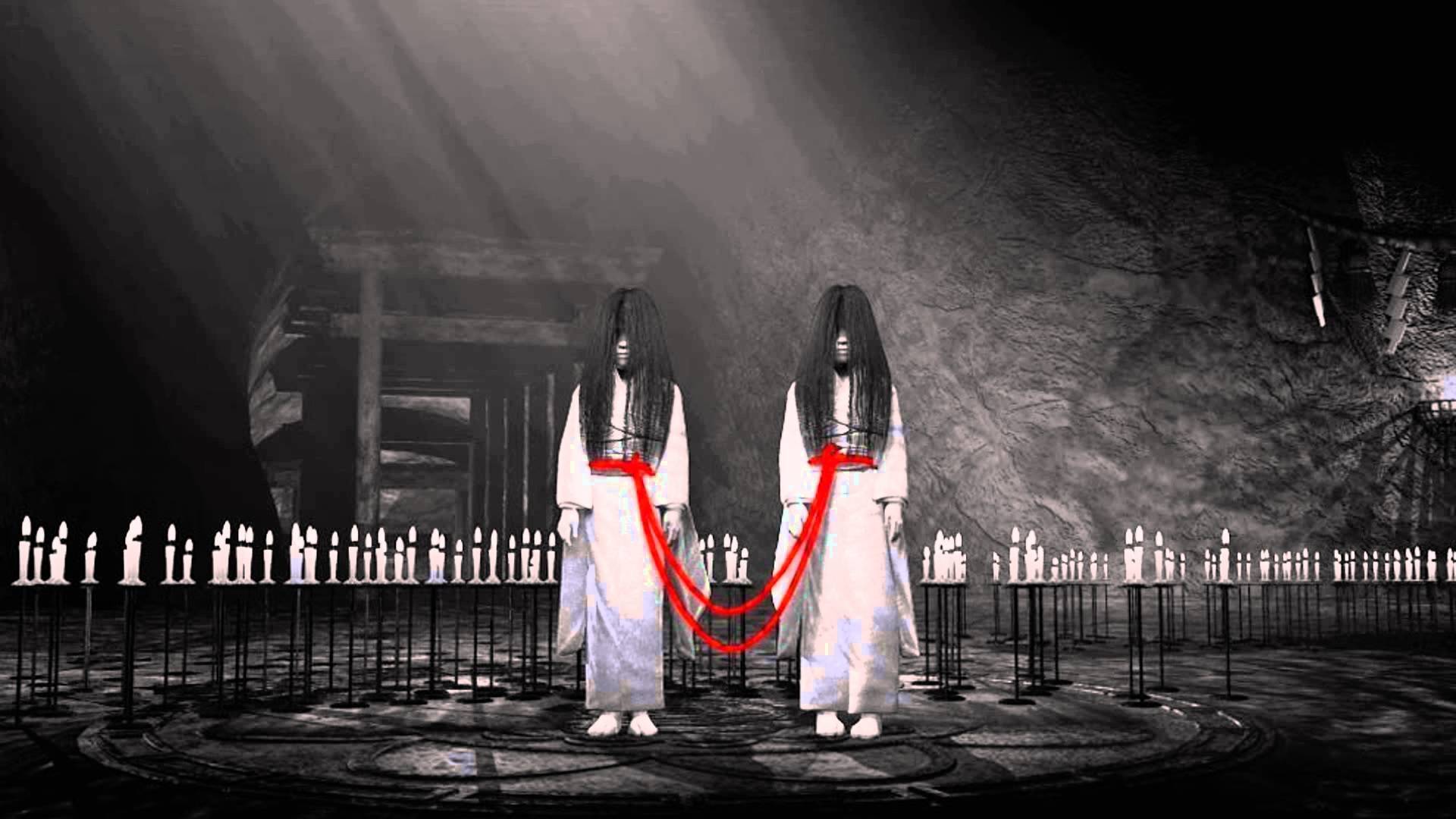
The story follows twin sisters, Mio (the protagonist) and Mayu. While revisiting a childhood play area, Mayu chases after a mysterious crimson butterfly and slips into the woods. As Mio pursues her, the sisters find themselves inexplicably trapped in the Minakami Village—an abandoned, perpetually dark settlement cursed by a failed ritual known as the "Crimson Sacrifice."
The Slow Burn of Discovery
The narrative does not spoon-feed you. Mayu frequently wanders off in a trance-like state, forcing Mio to navigate the spirit-infested village alone. The story is pieced together not just through cutscenes, but through the diaries, audio logs, and fragmented notes left behind by previous victims of the village.
Learning why the village is cursed and what the ritual entails is a horrific journey of discovery. The writing is deeply psychological, designed to intimidate the player rather than rely on cheap jump scares. The pacing is agonizingly slow, but intentionally so. Every creaking floorboard and distant whisper builds a sense of dread that pays off brilliantly in the game's final act.
The Camera Obscura: A Broken Combat System
In a heavily story-driven horror game, clunky gameplay can sometimes be forgiven if it serves the atmosphere (think early Resident Evil or Silent Hill). However, when the game forces you into complex combat situations and the mechanics actively fight against you, the atmosphere shatters.
Your only defense against the vengeful spirits of Minakami Village is the Camera Obscura—an antique camera capable of capturing and damaging ghosts. On paper, it is one of the most innovative combat systems in survival horror history. In execution, specifically in this Team Ninja remake, it is a disaster.
Sluggish Movement Meets Hyper-Aggressive Enemies
Combat in Fatal Frame II requires you to raise the camera into a first-person viewfinder perspective. You must wait for the ghost to approach—letting the "shutter chance" charge up—before snapping a photo to deal maximum damage. However, the remake suffers from several fatal design flaws:
- Field of View (FOV): The moment you raise the camera, your FOV becomes claustrophobically tight, making it incredibly difficult to track multiple enemies.
- Sensitivity Issues: The aiming reticle is overly sensitive, leading to jerky, imprecise movements when trying to track erratic spirits.
- Inconsistent Enemy AI: The ghosts are incredibly fast, and many can teleport entirely out of frame. While Mio moves with the realistic, sluggish pace of a terrified teenager, the enemies move with the speed of an action-game boss. The discrepancy feels fundamentally unfair.
While the game introduces upgrades via "Prayer Beads" and various types of film (ranging from high-damage/slow-reload to rapid-fire), these RPG-lite elements are simply not enough to fix the broken foundation. Encounters often devolve from terrifying paranormal experiences into irritating chore-like battles where you are wrestling with the controls more than the ghosts.
Exploration: A Cursed Open World
Minakami Village is structured as a pseudo-open world. You are generally free to explore the interconnected houses, shrines, and misty pathways as you see fit. However, this freedom is largely an illusion.
The game relies heavily on script-triggered progression. You might explore a massive, terrifying manor only to find it completely empty because the story hasn't directed you there yet. Once the narrative "unlocks" the area, enemies and crucial items will suddenly spawn. This significantly limits the joy of organic exploration.
When you are scavenging, you are primarily looking for two things: Herbal Medicines (to replenish health) and Film types (to arm the Camera Obscura). While finding a rare Type-90 film feels rewarding, the lack of diverse puzzles or meaningful side content makes the exploration feel slightly hollow compared to modern survival horror standards.
Atmosphere and Audio: A Masterclass in Dread
Where the gameplay fails, the audiovisual presentation triumphs. Fatal Frame II: Crimson Butterfly Remake is undeniably gorgeous in its own dark, oppressive way. The game is almost entirely set at night, and the developers have mastered the depiction of absolute darkness.
The Beauty of Decay
The architecture of Minakami Village is stunning. The traditional Japanese manors, adorned with Kanji inscriptions, rotting tatami mats, and eerie Noh masks, feel authentic and lived-in. The character models for Mio and Mayu are meticulously detailed, conveying fear and vulnerability through subtle facial animations.
However, the visual presentation on the PlayStation 5 is not without its quirks. The game leans heavily into a film grain filter that cannot be turned off in the settings. Furthermore, there is no option to toggle between Fidelity and Performance modes. The game appears to run at an uncapped framerate that hovers around 40 FPS, occasionally dipping in fog-heavy areas. For a remake of a 2003 title released on current-gen hardware, the lack of a locked 60 FPS mode is disappointing.
Sound Design That Will Haunt Your Dreams
If you play this game, you must play it with a high-quality headset. The sound design is a legitimate work of art. The developers understand that silence is often more terrifying than noise.
The long stretches of quiet are only broken by the ambient creaks of ancient wood, the distant sound of weeping, or the sudden, sharp static of a spirit manifesting. The audio mixing constantly plays tricks on your ears, making you feel as though something is standing just out of sight. It is an audio experience that demands and rewards your complete attention.
The Final Verdict
Fatal Frame II: Crimson Butterfly Remake is a heartbreaking game to review. It is a title of severe contradictions.
On one hand, it offers an incredible, emotionally resonant narrative wrapped in one of the most oppressive, expertly crafted horror atmospheres in gaming history. If you are a horror aficionado who values story and setting above all else, there is magic to be found here.
On the other hand, it is anchored by a deeply frustrating, poorly tuned combat system that actively ruins the pacing and turns terror into annoyance. The brilliant concept of the Camera Obscura is bogged down by clunky controls and unfair enemy design, preventing this remake from standing shoulder-to-shoulder with recent triumphs like the Dead Space or Resident Evil 4 remakes.
If you have the patience to fight the camera controls as much as you fight the ghosts, the tragic tale of Mio and Mayu is worth experiencing. Just be prepared to grit your teeth through the combat.
| Game Details | Information |
|---|---|
| Title | Fatal Frame II: Crimson Butterfly Remake |
| Developer / Publisher | Team Ninja / Koei Tecmo |
| Genre | Japanese Survival Horror |
| Platforms | PC, PS5, Xbox Series X|S, Switch 2 |
| Release Date | March 12, 2026 |
| Price | $49.99 USD |